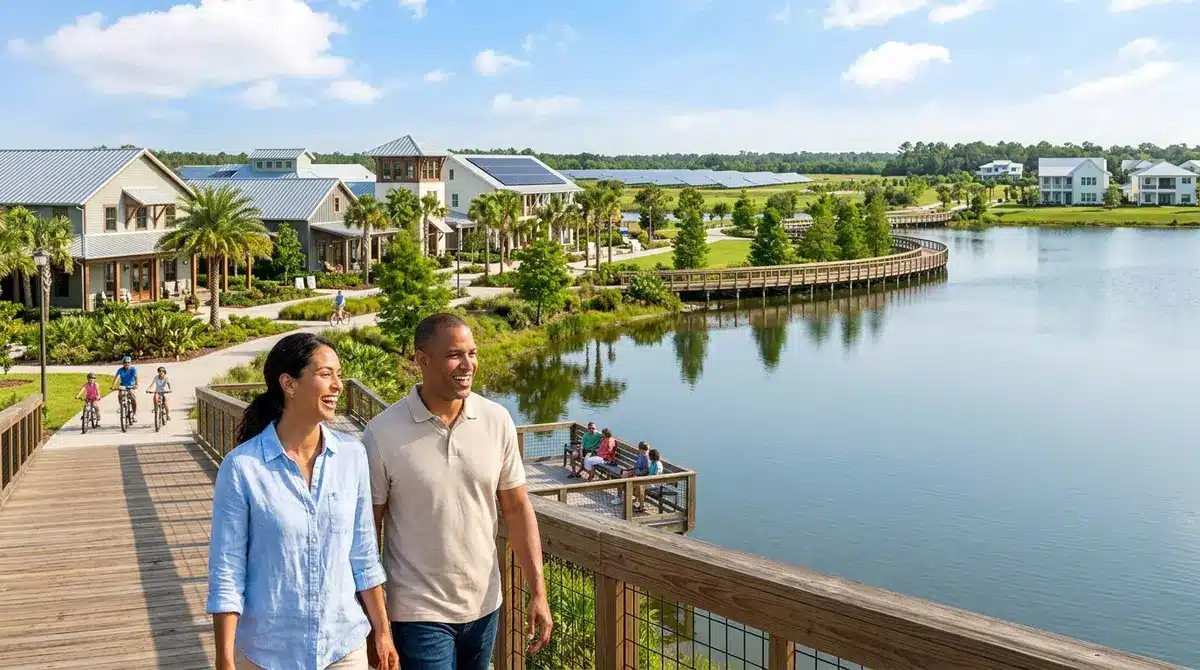

Babcock Ranch is primarily owned and developed by Kitson & Partners, a Florida-based real estate firm led by visionary developer Syd Kitson. However, the broader 91,000-acre historic property features a bifurcated ownership structure: the State of Florida owns 73,000 acres preserved permanently as natural lands, while Kitson & Partners retains the 18,000 acres designated for the solar-powered city. Furthermore, the community’s massive solar arrays are owned and operated by Florida Power & Light (FPL), public infrastructure is controlled by a Community Development District (CDD), and individual residential parcels are owned outright by the homeowners themselves.
Key Takeaways
- Master Developer: Kitson & Partners owns the undeveloped residential and commercial acreage within the 18,000-acre town footprint.
- State Preservation: The State of Florida owns the surrounding 73,000-acre preserve, ensuring permanent ecological conservation and preventing urban sprawl.
- Energy Infrastructure: Florida Power & Light (FPL) owns and operates the solar energy centers that power the entire municipality.
- Commercial Hubs: Retail centers are managed by the developer, though corporate anchors like Publix operate under long-term leases or specific parcel ownership.
- Public Assets: Roads, lakes, and utility networks are owned by the Community Development District (CDD), transferring long-term control to residents.
- Private Property: Residents hold fee-simple ownership of their individual homes and lots.
The Visionary Behind the Town: Syd Kitson and Kitson & Partners
To understand the property rights and control of this groundbreaking municipality, one must look back to the historic 2006 land acquisition. The original property was a working agricultural and hunting estate owned by the Babcock family since the early 1900s. When the family decided to sell, Syd Kitson’s vision for a sustainable, master-planned community won the bid.
Kitson & Partners, serving as the master developer, purchased the entire 91,000-acre tract. Today, in 2026, Kitson & Partners remains the primary driving force behind the town’s expansion. They hold the deeds to the undeveloped residential parcels, future commercial zones, and strategic land reserves within the 18,000-acre development boundary. As the master developer, they dictate the architectural guidelines, curate the commercial tenant mix, and oversee the phased rollout of new neighborhoods.
As Syd Kitson, Chairman and CEO of Kitson & Partners, explains: “Our goal was never just to build houses, but to prove that smart growth and environmental preservation could work hand-in-hand. By retaining control over the master plan, we ensure that every new phase adheres to our core pillars of sustainability, health, and technological innovation.”
The Historic 2006 Land Deal: A Public-Private Partnership
The most fascinating aspect of the community’s history of the property is the unprecedented public-private partnership that made it possible. Immediately after purchasing the 91,000 acres, Kitson & Partners executed a pre-arranged agreement with the State of Florida.
The state purchased 73,000 acres from Kitson for approximately $350 million. This transaction remains one of the largest single land preservation purchases in Florida’s history. According to the Florida Fish and Wildlife Conservation Commission (FWC), this land is now permanently protected as the Babcock Ranch Preserve. It is co-managed by the FWC and the Florida Forest Service, ensuring that the critical wildlife corridors, wetlands, and native habitats surrounding the town will never be paved over.
Research from the Urban Land Institute indicates that this bifurcated ownership model—where a private developer and a state government collaborate to separate conservation land from high-density development—represents the gold standard for ecological stewardship in modern real estate.
Infrastructure Ownership: Florida Power & Light (FPL)
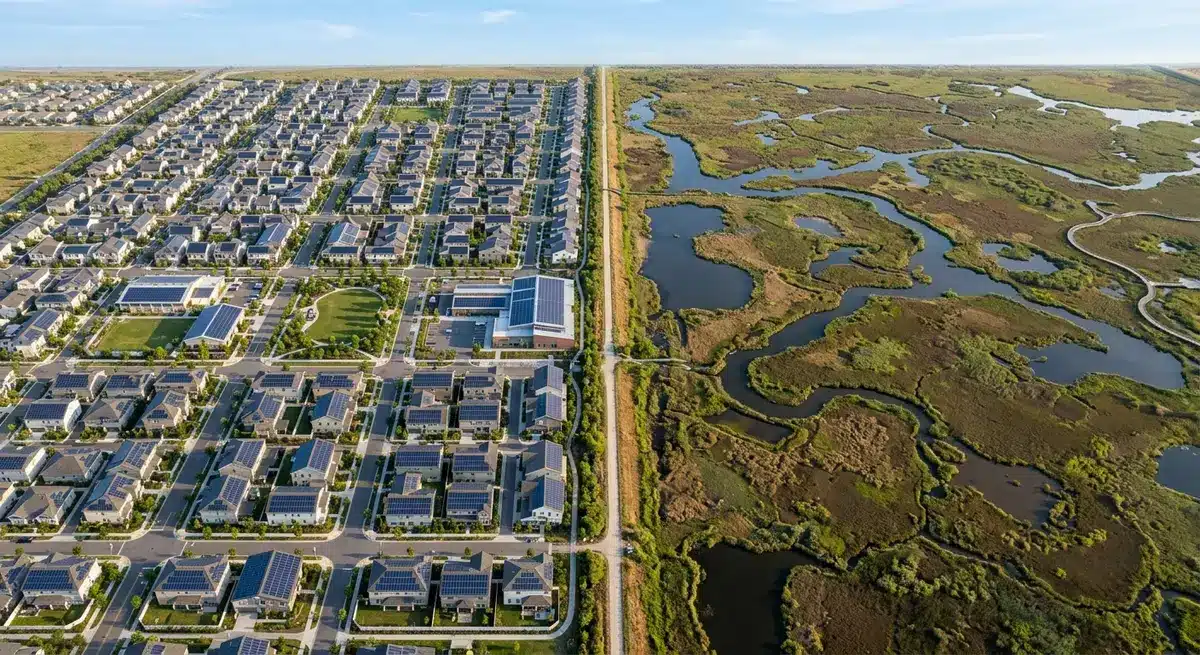
A defining characteristic of the community is its reliance on renewable energy. However, Kitson & Partners does not own the power grid or the solar panels. The massive solar arrays are owned, operated, and maintained by Florida Power & Light (FPL).
Kitson donated 870 acres of land to FPL to construct the initial Babcock Ranch Solar Energy Center. By 2026, the solar infrastructure has expanded significantly, boasting over 150 megawatts of capacity generated by nearly 700,000 photovoltaic panels. FPL owns these facilities and feeds the generated electricity directly into the local grid, ensuring the town produces more energy than it consumes.
According to Florida Power & Light’s solar initiatives data, this partnership model allows the utility company to manage the complex technical requirements of power generation while the developer focuses on urban planning.
Commercial and Retail Ownership in 2026
As the town’s growing population continues to surge, the commercial real estate sector has matured. The ownership of commercial spaces varies depending on the specific district and the strategic goals of the master developer.
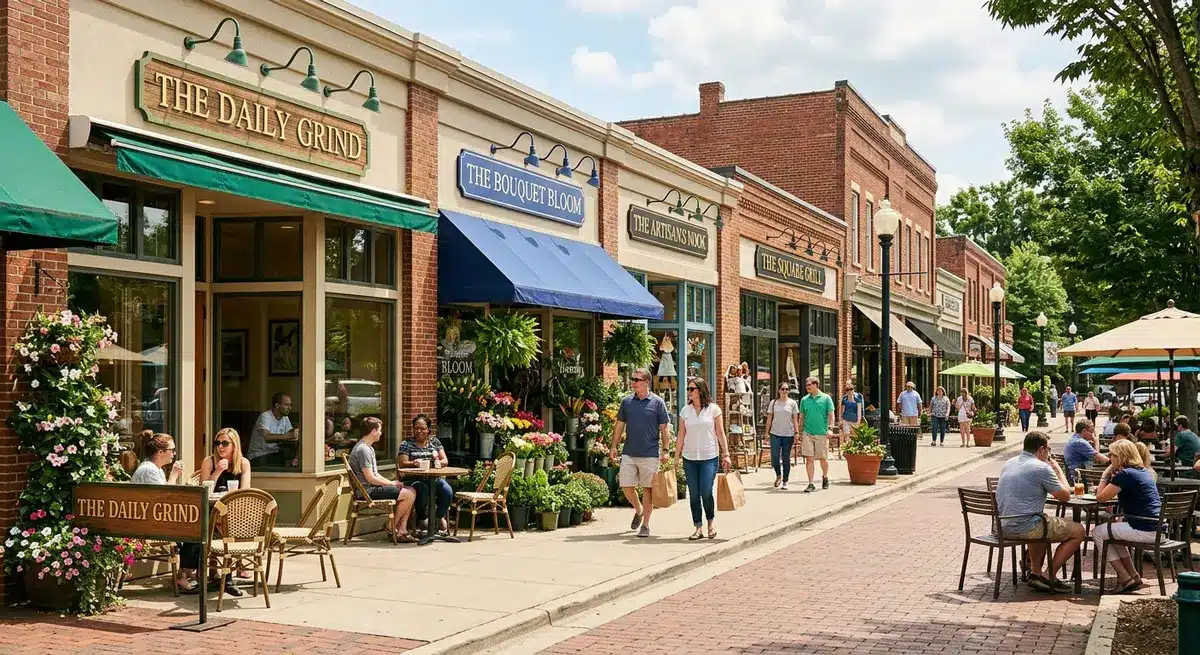
In hubs like Founder’s Square and the Crescent B Commons shopping center, Kitson & Partners generally retains ownership of the physical buildings and land, leasing the spaces to carefully selected tenants. This leasehold model allows the developer to maintain strict quality control over the dining, retail, and service options available to residents.
However, there are exceptions for major corporate anchors. For instance, the Publix supermarket operations often involve complex long-term ground leases or direct parcel acquisitions by the corporate entity, allowing them to build and manage their proprietary store layouts while adhering to the town’s strict aesthetic and hurricane-resilient building codes.
Homeowner and Community Ownership Structures
For individuals moving to this resilient community design, understanding personal property rights is paramount. Buyers hold “fee simple” ownership of their homes and the specific lots they sit on. This is the most complete form of property ownership recognized by law, granting the homeowner full rights to sell, lease, or modify the property (subject to Homeowner Association guidelines).
However, the public spaces—such as the roads, stormwater management lakes, neighborhood parks, and underground utility networks—are not owned by the developer or the individual residents. Instead, they are owned and maintained by a Community Development District (CDD).
According to legal definitions of a CDD, this is an independent special-purpose unit of local government. The CDD issues tax-exempt bonds to finance the initial construction of the infrastructure. Homeowners then pay an annual CDD assessment on their property tax bills to cover the debt service and ongoing maintenance. As the community builds out, the board of supervisors for the CDD transitions from developer-appointed members to resident-elected officials, effectively transferring ownership and control of the town’s infrastructure to the people who live there.
Comparing Land Ownership: Babcock Ranch vs. Traditional Developments
To clarify the complex web of property rights, the following table breaks down the primary entities and their respective assets within the municipality:
| Entity | Asset Owned | Primary Responsibility |
|---|---|---|
| Kitson & Partners | Unsold residential lots, commercial hubs | Master development, tenant curation, architectural control |
| State of Florida | 73,000-acre Preserve | Ecological conservation, wildlife management |
| Florida Power & Light | Solar energy centers & grid | Power generation, grid maintenance, battery storage |
| CDD | Roads, lakes, public utilities | Infrastructure maintenance via resident assessments |
| Homeowners | Individual residential parcels | Property upkeep, HOA compliance, mortgage obligations |
Step-by-Step: How Land Transfers from Developer to Homeowner
The process of converting raw, developer-owned land into a privately owned residence involves a highly regulated entitlement process. Here is how the chain of custody works in 2026:
- Master Entitlement: Kitson & Partners secures the zoning and environmental permits for a new neighborhood phase.
- Infrastructure Development: The CDD finances and constructs the horizontal infrastructure (roads, water lines, sewer systems).
- Parcel Sales to Builders: Kitson & Partners sells blocks of graded, utility-ready lots to approved national and regional homebuilders (e.g., Lennar, Pulte, Toll Brothers). At this stage, the builder temporarily owns the lot.
- Vertical Construction: The homebuilder constructs the physical residence according to the master developer’s strict sustainability and wind-resistance codes.
- Final Deed Transfer: The end consumer purchases the finished home. At closing, the deed is transferred from the builder to the homeowner, establishing fee-simple ownership.
The Future of Babcock Ranch Ownership
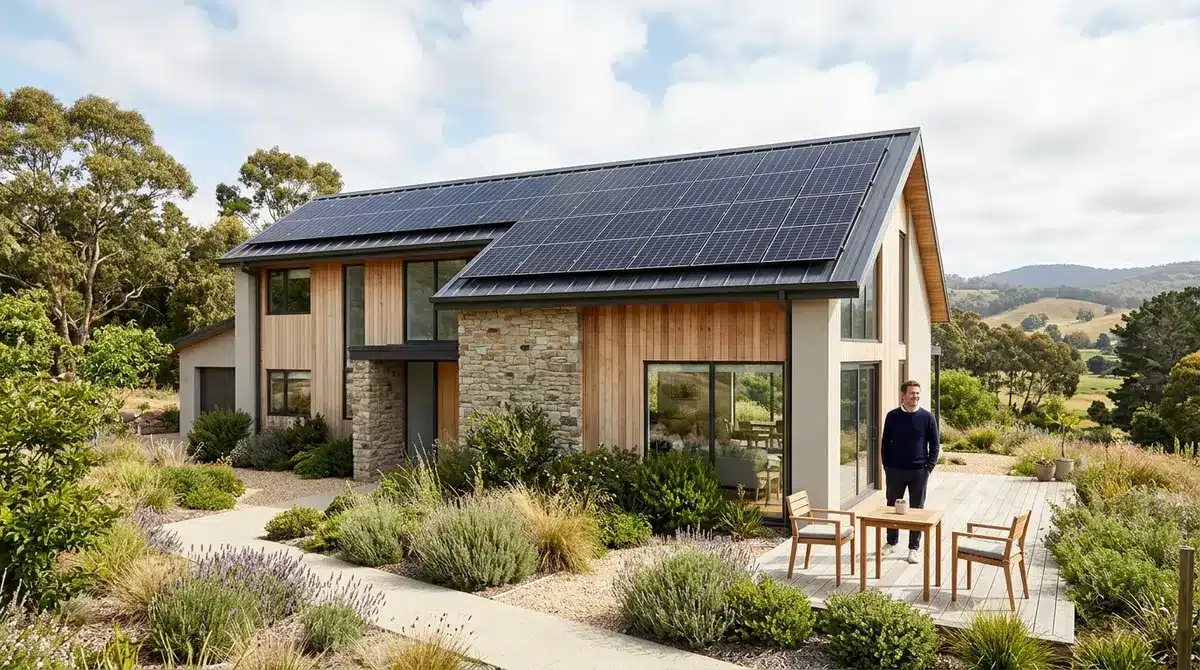
As we look beyond 2026, the ownership landscape of the community will continue to evolve. The master plan calls for an eventual build-out of 19,500 residences and 6 million square feet of commercial space. As Kitson & Partners completes its development phases, its footprint of owned land will steadily decrease.
Simultaneously, the power of the residents will increase. The transition of the CDD and various HOAs to resident-controlled boards means that the people who live in the town will ultimately dictate its future. This planned obsolescence of the developer’s control is a hallmark of well-designed master-planned communities, ensuring that the municipality matures into a self-governing, self-sustaining city.
According to a New York Times analysis of the community’s resilience, the meticulous planning and shared ownership model between private developers, state entities, and utility providers is what allowed the town to withstand catastrophic weather events without losing power or suffering major structural damage.
Frequently Asked Questions
Does Syd Kitson own my house?
No. While Syd Kitson’s company, Kitson & Partners, is the master developer of the town, individual residents hold fee-simple ownership of their homes and lots. Once you purchase a property, you are the sole owner.
Who owns the lakes and roads in the community?
The public infrastructure, including the roads, stormwater lakes, and underground utilities, is owned by the Community Development District (CDD). The CDD is a special-purpose local government funded by resident assessments.
Can the State of Florida develop the 73,000-acre preserve?
No. The 73,000 acres purchased by the State of Florida in 2006 are permanently protected under conservation easements. The land is managed by the FWC and the Florida Forest Service strictly for ecological preservation and public recreation.
Who owns the solar panels that power the town?
The massive solar arrays located at the Solar Energy Centers are owned and operated by Florida Power & Light (FPL). FPL generates the electricity and feeds it into the grid to power the municipality.
Do homebuilders own the land they build on?
Yes, temporarily. Kitson & Partners sells vacant lots to approved homebuilders. The builder owns the lot during the construction phase and then transfers the deed to the final homebuyer at closing.
Will Kitson & Partners always control the town?
No. As the community reaches its final build-out phases, control of the CDD and Homeowner Associations will transition entirely to resident-elected boards, making the town a self-governing entity.
Conclusion
The question of who holds the deeds and controls the property in America’s first solar-powered town reveals a sophisticated, multi-layered approach to urban planning. By dividing ownership among a visionary master developer, state conservation agencies, a major utility provider, and the residents themselves, the community has achieved a perfect balance of growth and sustainability. As of 2026, this collaborative ownership model continues to prove that large-scale real estate development can coexist harmoniously with environmental preservation.
If you are interested in becoming part of this innovative municipality and want to explore available properties, get in touch with our team today. We can help you navigate the real estate market and find your perfect place in the hometown of tomorrow.