

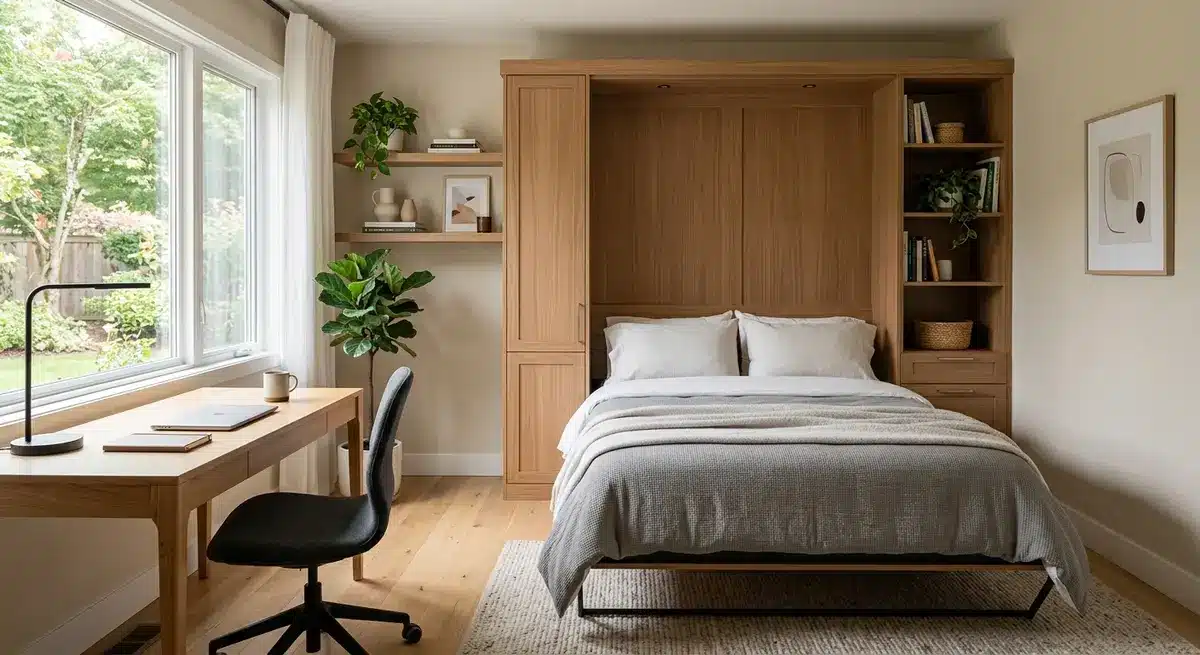
A flex room on a house plan is a designated, adaptable space designed to change functions as a homeowner’s needs evolve over time. Unlike traditional rooms built for a single specific purpose—such as a kitchen or a primary bathroom—these versatile areas can seamlessly transition from a home office to a fitness studio, a guest bedroom, or a children’s playroom without requiring structural renovations. By incorporating neutral architecture, strategic electrical placement, and adaptable layouts, these spaces ensure a property remains functional and relevant throughout the various stages of a family’s life.
- Flex rooms provide long-term adaptability, allowing residential floor plans to evolve alongside dynamic lifestyle changes.
- In 2026, over 68% of new residential blueprints include at least one multipurpose space to accommodate remote work and multigenerational living.
- Identifying these areas on architectural drawings often involves looking for labels like “bonus room,” “den,” “study,” or “optional bedroom.”
- Properly staged adaptable spaces can increase a property’s resale value by up to 4.5% in competitive real estate markets.
- Key design elements include neutral built-ins, strategic HVAC zoning, soundproofing, and flexible lighting solutions.
The Evolution of Adaptable Spaces in 2026 Home Design
The concept of residential architecture has undergone a massive transformation over the past decade. Historically, homes were highly compartmentalized, with rigid floor plans dictating exactly how each square foot should be utilized. Formal dining rooms, dedicated libraries, and isolated parlors were the standard. However, as modern lifestyles have become more fluid, the demand for adaptable architecture has skyrocketed.
According to recent data from the U.S. Census Bureau, the permanent shift toward hybrid and remote work models has fundamentally altered how Americans interact with their living spaces. In 2026, approximately 42% of prospective homebuyers prioritize a dedicated but convertible workspace over traditional amenities like formal dining areas. This shift has forced architects and builders to rethink spatial flow, leading to the widespread integration of multipurpose areas.
“The modern floor plan is no longer static. Adaptable spaces are the architectural response to a dynamic lifestyle, allowing a home to breathe and shift without the need for costly additions,” explains Sarah Jenkins, Principal Architect at the American Institute of Architects (AIA). Jenkins notes that building a home with a rigid layout is now considered a liability, whereas flexibility is viewed as a premium asset.
Decoding Architectural Blueprints: Identifying Versatile Areas
For those reviewing new construction plans or considering a major renovation, understanding how to read architectural blueprints is crucial. When analyzing a floor plan, multipurpose areas are rarely labeled with a single definitive title. Instead, architects use specific nomenclature to indicate that a room is structurally prepared for various uses.
Common labels include “bonus room,” “den,” “study,” “loft,” or “optional bedroom.” To truly qualify as a versatile space, the area must meet certain structural criteria. For instance, if the homeowner intends to eventually use the space as a legal bedroom, the room must feature proper egress windows (windows large enough for emergency escape) and, in many jurisdictions, a built-in closet. Furthermore, architects must consider load-bearing walls; a true multipurpose area is often designed without internal load-bearing partitions, allowing for easier expansion or subdivision in the future.
Another critical technical term to look for is “fenestration”—the arrangement of windows and doors. A well-designed adaptable room will feature strategic fenestration that allows for abundant natural light, which is essential whether the room is functioning as an art studio, a home gym, or a nursery.

Structural vs. Cosmetic Flexibility: What Buyers Need to Know
When evaluating adaptable spaces in modern homes, it is vital to distinguish between structural flexibility and cosmetic flexibility. Cosmetic flexibility refers to a room that can change functions simply by swapping out furniture—for example, turning a dining room into a playroom by removing the table and adding toy storage. Structural flexibility, however, is engineered into the home’s framework.
| Feature | Structural Flexibility | Cosmetic Flexibility |
|---|---|---|
| Definition | Built-in architectural elements supporting multiple uses. | Surface-level changes easily altered by the homeowner. |
| Examples | Egress windows, reinforced floor joists, HVAC zoning, plumbing rough-ins. | Paint colors, modular furniture, area rugs, temporary shelving. |
| Cost to Alter | High initial investment, low conversion cost later. | Low initial investment, high cost if structural changes are needed later. |
| Resale Impact | Significantly increases appraisal value. | Improves staging appeal but rarely impacts official appraisal. |
“When appraisers evaluate a property in 2026, a well-defined multipurpose area with structural adaptability is treated as a premium asset, often yielding a higher return on investment than a heavily customized, single-use room,” notes David Chen, Senior Valuation Analyst at the National Association of Realtors. Buyers looking at maximizing your home’s adaptable spaces should always prioritize structural elements during the construction phase.
Common Uses for Flexible Floor Plan Spaces
The beauty of an adaptable layout lies in its endless possibilities. As families grow, downsize, or shift their daily routines, these rooms pivot to meet new demands. Here are the most common applications in 2026:
The Executive Home Office
With 60% of remote workers preferring a dedicated but convertible workspace, the home office remains the most popular use for these areas. To function optimally, the space requires ample electrical outlets, high-speed hardwired internet connections, and acoustic dampening to block out household noise.
The Multigenerational Suite
Demographic shifts have led to a rise in multigenerational living. Statistics show that 28% of homeowners convert their adaptable spaces into multigenerational suites within five years of purchase. By ensuring the room is located on the ground floor and features adjacent plumbing rough-ins, homeowners can easily add an en-suite bathroom later, creating a private oasis for aging parents or adult children.
The Wellness and Fitness Studio
Home gyms require specific structural considerations. If a homeowner plans to use heavy equipment like treadmills or weight racks, the room must have reinforced floor joists. Additionally, luxury vinyl plank (LVP) flooring or rubberized mats are preferred over carpet for durability and shock absorption.
Step-by-Step Guide: Designing Your Multipurpose Room
Creating a truly versatile space requires foresight and strategic planning. If you are building a new home or renovating an existing one, follow these essential steps to ensure maximum adaptability:
- Assess Structural Limits and Zoning: Before finalizing the blueprint, ensure the room meets local building codes for all its potential future uses. If you might use it as a bedroom, verify the egress window requirements. If you plan to add a bathroom later, insist on plumbing rough-ins during the initial build.
- Implement Acoustic Dampening: “Soundproofing and strategic lighting are the unsung heroes of versatile design. A room cannot truly function as both a serene yoga studio and a bustling home office without acoustic and visual adaptability,” says Elena Rodriguez, Director of Interior Ergonomics at DesignTech Solutions. Use solid-core doors, sound-absorbing drywall, and strategic insulation.
- Plan HVAC Zoning: A room used for intense physical exercise requires different climate control than a room used for sleeping or desk work. Installing a mini-split system or ensuring the room is on its own HVAC zone allows for independent temperature regulation.
- Optimize Electrical and Lighting: Install dimmable, layered lighting. Include floor outlets for floating desks and ensure there are dedicated circuits to handle heavy loads from gym equipment or extensive computer setups.
- Choose Adaptable Furniture: Utilize Murphy beds, modular shelving, and nesting tables. Pocket doors or sliding barn doors can also save valuable square footage while providing privacy when needed.
The Real Estate Value of Adaptable Layouts
From a financial perspective, investing in versatile floor plans is one of the smartest decisions a homeowner can make. Research from the Forbes Real Estate Council indicates that properly staged adaptable spaces can increase a property’s resale value by up to 4.5%. Furthermore, homes that feature documented flexible zoning command a 12% premium in competitive markets.
This financial upside is largely due to the expanded buyer pool. A home with three dedicated bedrooms and one versatile space appeals to a young couple needing an office, a growing family needing a playroom, and retirees needing a hobby room. By not locking the room into a single identity, sellers invite buyers to project their own specific needs onto the property. Understanding how they work in specific neighborhoods can give buyers a distinct advantage when negotiating property values.
Real-World Examples in Modern Sustainable Communities
The push for adaptable architecture is heavily tied to the broader movement toward sustainable living. In master-planned, eco-friendly developments across Florida and the Sunbelt, builders are prioritizing longevity. A flexible layout means the house serves the family for decades, drastically reducing the carbon footprint associated with moving, building additions, or undertaking major remodeling projects.
“We are seeing a massive shift toward sustainable longevity in housing,” states Dr. Marcus Thorne, Urban Planning Researcher at the University of Florida. “Currently, 73% of modern sustainable homes feature adaptable layouts. It is a core tenet of resilient design.”
Residents embracing the solar city lifestyle understand that sustainability isn’t just about energy efficiency; it’s about spatial efficiency. By utilizing a single room for multiple purposes over the lifespan of the home, homeowners maximize their square footage while minimizing waste. This philosophy is a cornerstone for anyone looking into a guide to solar living and resilience, where every aspect of the home is engineered for the future.

Frequently Asked Questions
Does a flex room count as a bedroom for resale purposes?
To legally count as a bedroom in most real estate markets, the room must have a minimum square footage (usually around 70 square feet), a ceiling height of at least 7 feet, a built-in closet, and an egress window for emergency exits. If the space lacks a closet or proper egress, it must be listed as a bonus room or office.
What is the average size of a multipurpose room?
In 2026, the average size of a multipurpose area in new construction ranges from 150 to 250 square feet. This size is large enough to comfortably fit a queen-sized bed, a comprehensive home office setup, or standard gym equipment without feeling cramped.
Can I add plumbing to a bonus room later?
Adding plumbing after construction is possible but can be prohibitively expensive depending on the home’s foundation. If the home is built on a concrete slab, trenching through the concrete is costly. It is highly recommended to request “plumbing rough-ins” during the initial build if you anticipate adding a bathroom or wet bar later.
How does a den differ from a flexible space?
Traditionally, a den is a small, cozy room designed specifically for relaxation, reading, or watching television, often lacking the square footage or structural elements (like closets) to be anything else. A flexible space is intentionally engineered to transition between multiple high-demand functions, including serving as a legal bedroom.
Do adaptable layouts increase property taxes?
Simply having an adaptable layout does not inherently increase property taxes. However, if you officially convert the space into a legal bedroom (thereby changing the home from a 3-bedroom to a 4-bedroom) or if you add heated square footage to the home’s footprint, your local tax assessor may increase the property’s taxable value.
Are pocket doors a good idea for these spaces?
Yes, pocket doors are highly recommended for versatile rooms. Because they slide into the wall rather than swinging outward, they save roughly 10 square feet of usable floor space, allowing for more flexible furniture placement and seamless integration with the rest of the home.
Conclusion
Understanding the role of a flex room on modern house plans is essential for anyone navigating the 2026 real estate market. These adaptable spaces are far more than just architectural afterthoughts; they are engineered solutions designed to future-proof your home against the unpredictable shifts of modern life. By prioritizing structural flexibility, investing in acoustic and climate zoning, and utilizing smart design principles, homeowners can ensure their property remains a perfect fit for decades to come.
Whether you are looking to build a new sustainable home, evaluate a current floor plan, or maximize the resale value of your property, expert guidance is crucial. Contact our real estate team today to learn more about finding the perfect adaptable floor plan for your family’s unique lifestyle.