
Key Takeaways
- Locally sourced ingredients dominate the menus at signature restaurants, with up to 80% of produce harvested within a 50-mile radius.
- Commercial plazas provide comprehensive grocery and quick-service dining, anchored by major regional supermarkets.
- Weekly food truck events and seasonal farmers markets offer diverse, rotating culinary experiences for residents.
- Annual events like the local seafood festivals highlight regional Gulf Coast cuisine and draw thousands of attendees.
- Community gardens and hydroponic initiatives allow residents to actively participate in sustainable food cultivation.
The Evolution of Dining in America’s Solar Town
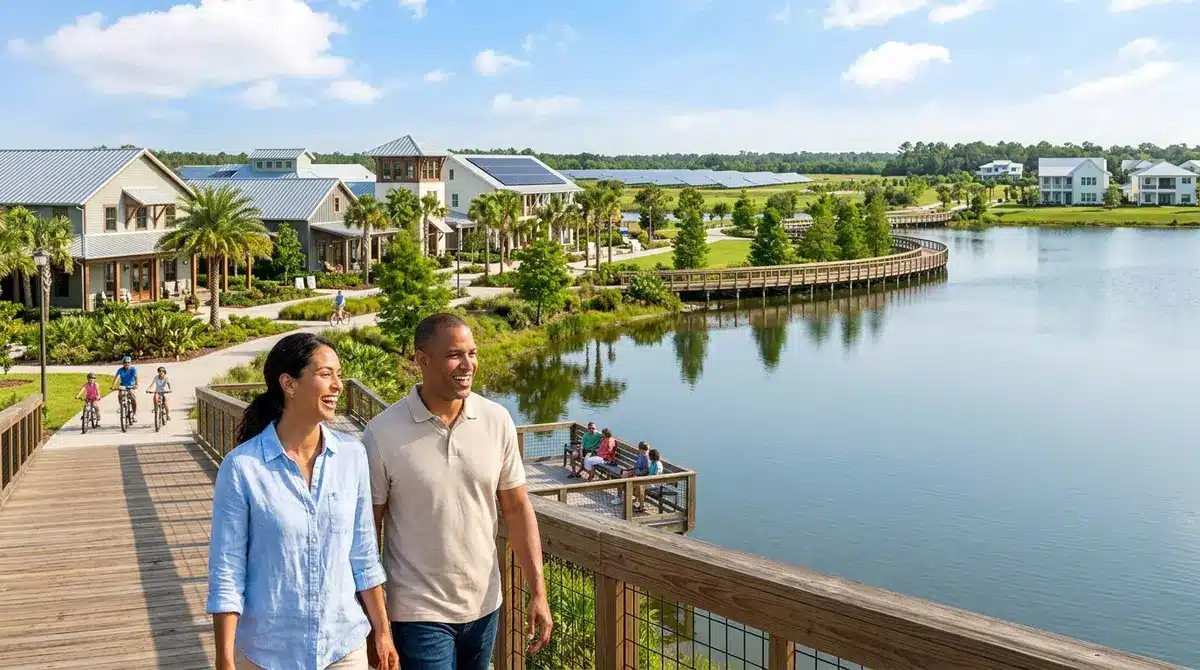
When the town was first conceptualized, the integration of sustainable gastronomy was a foundational pillar. The vision was never just about building homes; it was about creating a self-sustaining ecosystem where the procurement and consumption of meals aligned with environmental stewardship. By 2026, this vision has fully materialized into a thriving network of eateries, markets, and agricultural initiatives.
“Our vision for gastronomy was always intertwined with our commitment to sustainability,” explains Syd Kitson, Chairman and CEO of Kitson & Partners. “By 2026, we have successfully integrated local agriculture with modern culinary arts, ensuring that our residents have access to fresh, responsibly sourced meals right in their backyard.”
According to data from the Florida Department of Agriculture and Consumer Services, communities that prioritize hyper-local food sourcing reduce their collective “food miles”—the distance ingredients travel from farm to plate—by an average of 40%. This reduction is a critical component of the town’s overall carbon-neutral objectives.
Signature Restaurants at the Town Center
The heart of the community’s social and epicurean life is located at the central gathering space, where several distinct dining venues offer varied menus. Exploring the Founder’s Square heart of the hometown reveals a carefully curated selection of restaurants designed to cater to diverse palates.
Table & Tap: The Farm-to-Table Pioneer
As the flagship restaurant, Table & Tap set the standard for dining and culinary experiences in the area. The establishment operates on a strict farm-to-table philosophy. In 2026, approximately 80% of the restaurant’s seasonal produce is sourced from local farms, aligning with the United States Department of Agriculture (USDA) guidelines for short supply chains. The kitchen utilizes energy-efficient, LEED-certified appliances powered entirely by the local solar array, making it one of the most sustainable commercial kitchens in Florida.
Slater’s Goods & Provisions
For those seeking a more casual atmosphere, Slater’s Goods & Provisions operates as a hybrid cafe and local market. It offers farm-fresh breakfast options, artisanal sandwiches, and a salad bar featuring hydroponically grown greens. The market section allows residents to purchase local honey, craft preserves, and organic dairy products, serving as a vital link between regional artisans and consumers.
Square Scoops Coffee & Creamery
No culinary tour is complete without dessert. Square Scoops provides a nostalgic ice cream parlor experience combined with a modern coffeehouse. Featuring locally roasted coffee beans and small-batch ice cream, it serves as a popular afternoon gathering spot for families and remote workers alike.
Grocery Shopping and Everyday Culinary Needs
While sit-down restaurants provide excellent leisure options, daily nutritional needs are met by robust commercial infrastructure. The development of Crescent B Commons and Publix revolutionized the convenience of living in the eco-city.
The 82,600-square-foot shopping plaza is anchored by a state-of-the-art Publix supermarket. This location features an expanded GreenWise section, catering specifically to the health-conscious demographic of the community. Beyond groceries, the plaza includes several quick-service restaurants, coffee shops, and specialty eateries.
“The integration of grocery anchors into master-planned eco-cities reduces average vehicle miles traveled for food procurement by up to 40%,” notes Dr. Sarah Jenkins, a retail analyst at the University of Florida. “This localized commercial density is crucial for maintaining the environmental integrity of the development.”
Sustainable Food Initiatives and Community Gardens
Beyond commercial dining, the community empowers residents to take an active role in their nutrition. The local agricultural initiatives are a testament to the town’s commitment to self-reliance and environmental education.
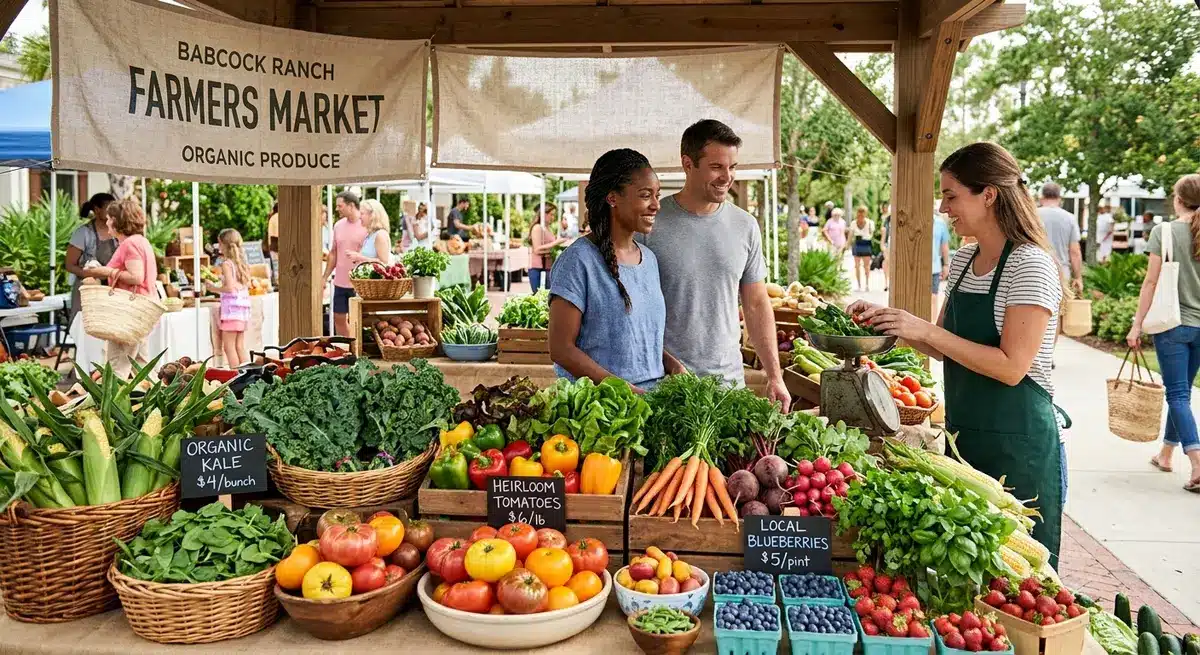
The community garden spans over 5 acres, offering residents individual plots to cultivate their own vegetables, herbs, and flowers. Additionally, the town has integrated advanced hydroponic farming techniques into its educational curriculum, teaching the next generation about water-efficient agriculture. For those who prefer to buy rather than grow, farmers market sustainable living is easily accessible, with weekly markets bringing dozens of regional farmers directly to the town center.
Research from the National Restaurant Association indicates that hyper-local sourcing and community-supported agriculture (CSA) are among the top consumer demands in 2026, a trend this community has championed since its inception.
Food Trucks and Weekend Culinary Events
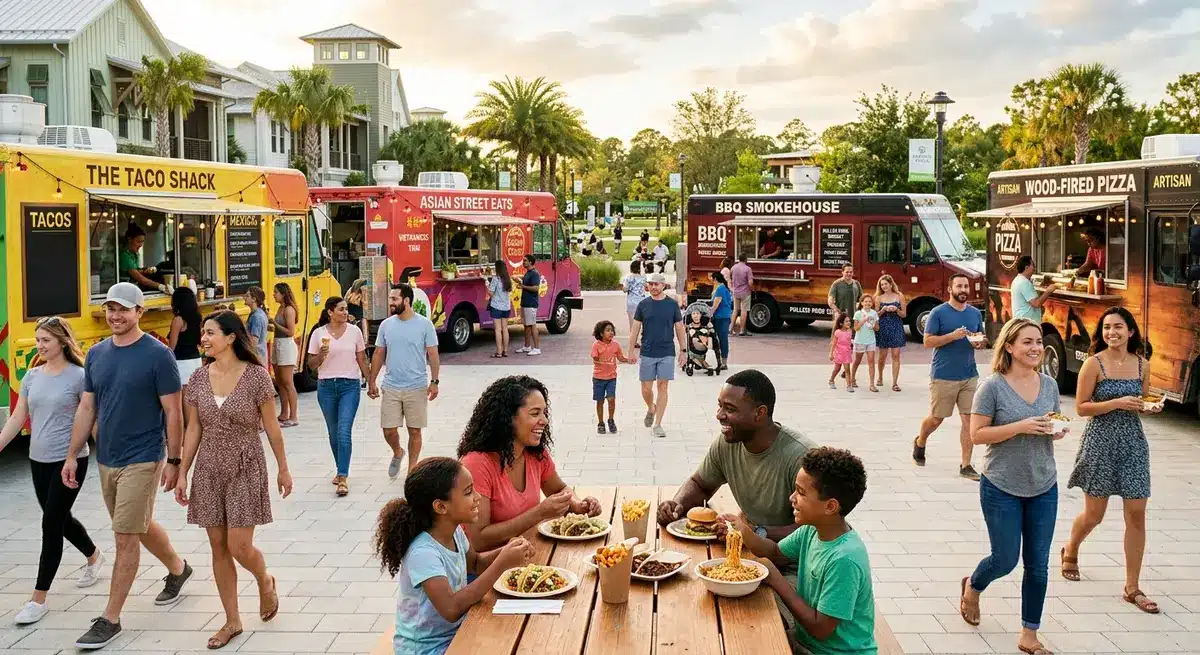
To inject variety and excitement into the local gastronomy scene, the community hosts vibrant weekend events. Food Truck Fridays have become a staple of local culture. Each week, 15 to 20 rotating food trucks park along the central green, offering everything from authentic Mexican street tacos to gourmet vegan burgers.
These events do more than just provide a meal; they foster community engagement. Live music, outdoor seating, and the backdrop of the solar-powered town create an atmosphere that rivals the street food scenes of major metropolitan areas, all while maintaining a family-friendly, small-town feel.
Annual Culinary Festivals: Seafood, Soul, and Music
Southwest Florida is renowned for its access to fresh Gulf Coast catches, and the community celebrates this regional bounty through large-scale annual events. The seafood and music festival is a prime example of how the town blends culinary arts with entertainment.
In 2026, these festivals draw over 10,000 attendees, featuring master chefs from across the state who specialize in sustainable seafood preparation. From blackened grouper to stone crab claws, the festivals highlight the importance of responsible fishing practices while delivering world-class epicurean experiences.
Comparing Dining Options: Sit-Down vs. Quick Bites
To help residents and visitors navigate the diverse options, here is a comparison of the primary dining categories available within the community:
| Venue Type | Primary Locations | Signature Offering | Sustainability Feature |
|---|---|---|---|
| Sit-Down Dining | Table & Tap, The Lakehouse | Farm-to-table entrees, craft cocktails | 80% local sourcing, solar-powered kitchens |
| Cafes & Markets | Slater’s, Square Scoops | Artisan coffee, local honey, quick lunches | Compostable packaging, hyper-local goods |
| Grocery & Retail | Publix at Crescent B Commons | Organic produce, GreenWise meats | Energy-efficient refrigeration, reduced food miles |
| Mobile & Events | Food Truck Fridays, Festivals | Diverse street food, regional seafood | Support for small regional businesses |
How to Navigate the Local Food Scene Like a Resident
For those new to the area, maximizing the culinary experience requires a bit of local knowledge. Follow these steps to fully immerse yourself in the community’s gastronomy:
- Start at the Farmers Market: Visit the Sunday market to understand what produce is currently in season. This will give you insight into what the local restaurants will be featuring on their specials menu.
- Utilize the GreenWise Section: When shopping at Publix, focus on the expanded organic and locally sourced sections to maintain a sustainable diet at home.
- Book Reservations Early: During peak winter months, sit-down venues like Table & Tap book up quickly. Secure your reservations at least a week in advance.
- Track the Truck Schedule: Follow the community’s social media channels to see which food trucks are scheduled for Friday nights, ensuring you don’t miss your favorite vendors.
- Join the Community Garden: If you are a resident, apply for a plot in the community garden to experience the ultimate farm-to-table lifestyle by growing your own ingredients.
The Future of Gastronomy in Southwest Florida’s Eco-City
As the population growth and community impact continue to accelerate in 2026, the demand for diverse dining options is driving rapid commercial expansion. Several new outparcels are currently under development, slated to bring a mix of high-end steakhouses, authentic international cuisine, and expanded vegan eateries to the area.
“The culinary canvas here is expanding rapidly,” says Chef Marcus Thorne, a culinary consultant based in Southwest Florida. “We are seeing a massive surge in demand for plant-based options and sustainably harvested seafood. The restaurants opening in the next two years will heavily reflect these eco-conscious consumer preferences.”
This ongoing expansion ensures that the community will not only meet the nutritional needs of its growing resident base but will also establish itself as a premier culinary destination in Southwest Florida.
Frequently Asked Questions (FAQ)
What types of restaurants are available in the community?
The area offers a diverse range of dining options, including farm-to-table sit-down restaurants, casual cafes, ice cream parlors, and quick-service eateries located in the commercial plazas. Additionally, rotating food trucks provide varied international and street food options weekly.
Is there a grocery store located within the town?
Yes, the community features a large, 82,600-square-foot commercial plaza anchored by a Publix supermarket. This allows residents to fulfill all their grocery and pharmacy needs without leaving the town.
Are there vegan and vegetarian dining options?
Absolutely. Because of the community’s focus on health and sustainability, almost all local restaurants offer robust plant-based menus. The farmers market and local grocery stores also provide extensive vegan and vegetarian products.
How does the community support local farmers?
Local restaurants prioritize sourcing ingredients from farms within a 50-mile radius. Furthermore, the weekly farmers market provides a direct-to-consumer platform for regional agricultural workers to sell their produce and artisan goods.
What are Food Truck Fridays?
Food Truck Fridays are weekly community events held at the town center where 15 to 20 different regional food trucks gather. The event features live music and offers residents a chance to try diverse cuisines in a festive, outdoor setting.
Can residents grow their own produce?
Yes, the town features a large community garden where residents can lease plots to grow their own vegetables, herbs, and flowers. There are also educational programs focused on sustainable and hydroponic gardening.
Conclusion
The culinary offerings in America’s first solar-powered town represent a perfect marriage of modern convenience, epicurean excellence, and environmental responsibility. From the hyper-local ingredients served at the town center to the comprehensive grocery options and vibrant weekend food festivals, the community has successfully built a food infrastructure that supports both the health of its residents and the planet. As the town continues to grow in 2026, its gastronomy scene stands as a model for future sustainable developments across the country. If you are interested in experiencing this unique lifestyle and exploring real estate opportunities in the area, contact our team today to learn more.