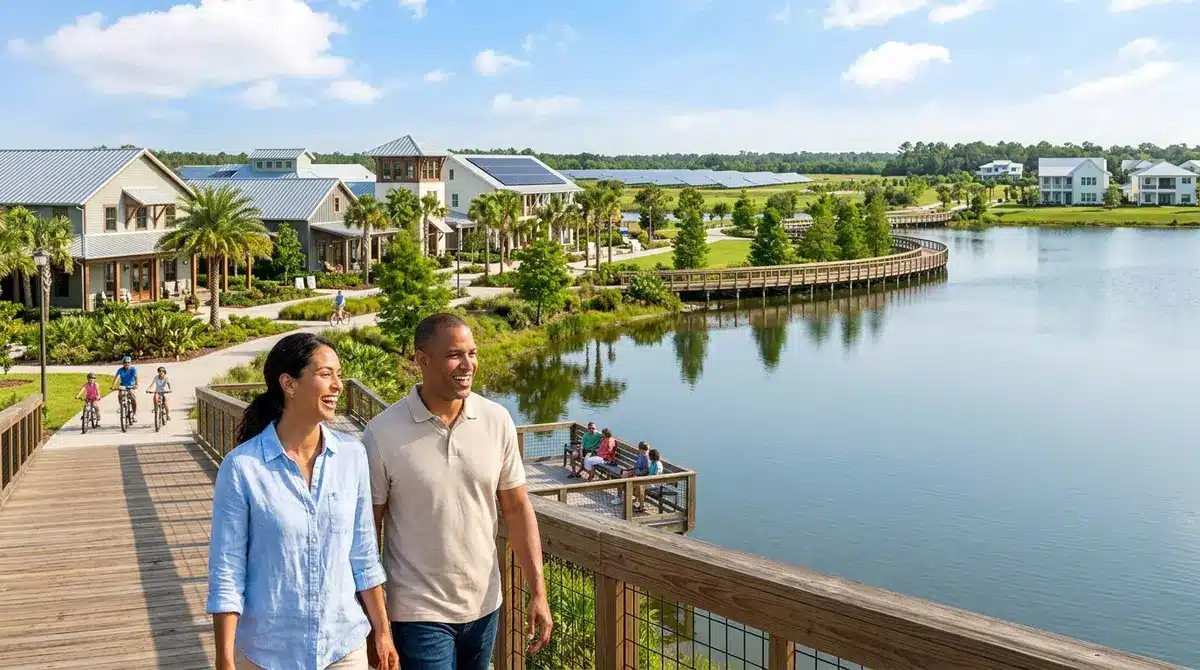
Evaluating the benefits and drawbacks of relocating to America’s first solar-powered town requires looking beyond the marketing brochures. The primary advantages of living in this innovative community include unparalleled hurricane resilience, sustainable energy infrastructure, and a highly walkable, amenity-rich lifestyle. Conversely, the main disadvantages involve its geographic distance from major coastal cities, ongoing construction noise as the town expands toward its 19,500-residence goal, and the financial burden of combined homeowner association (HOA) and Community Development District (CDD) fees. Understanding these realities is essential for anyone considering a move to Southwest Florida in 2026.
Key Takeaways
- Storm Resilience: Subterranean power lines and advanced water management systems offer proven protection against Category 4 and 5 hurricanes.
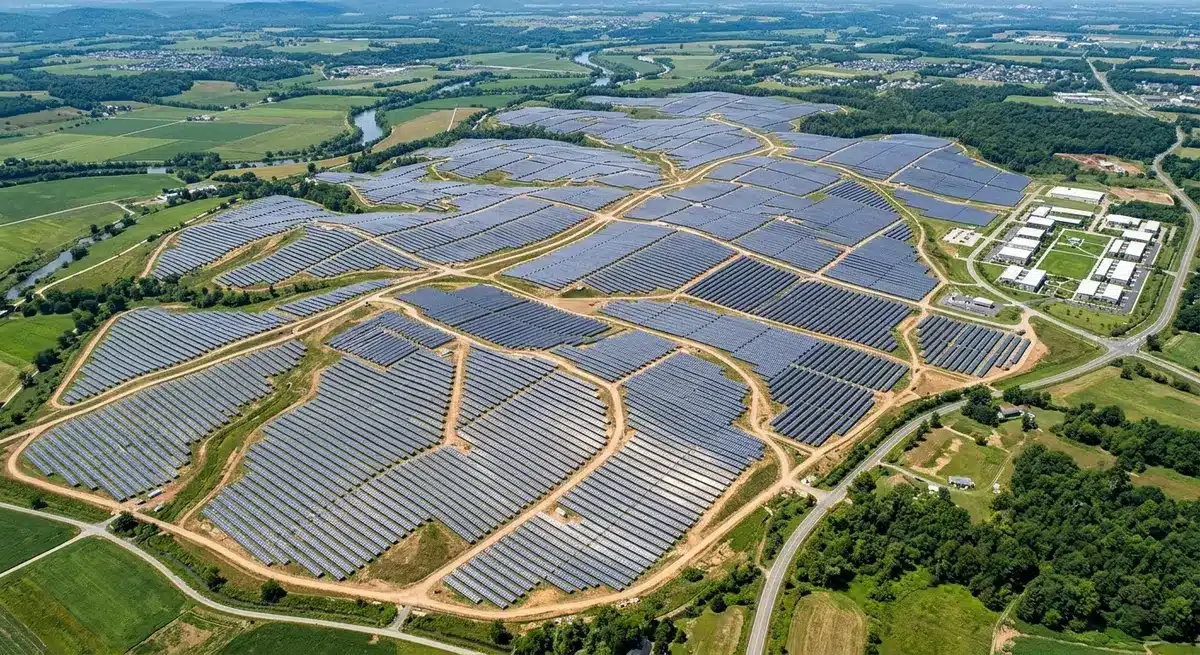
- Energy Independence: An 870-acre, 150-megawatt solar array powers the entire town, ensuring a minimal carbon footprint.
- Community Lifestyle: Extensive trails, golf cart infrastructure, and a bustling downtown area foster a tight-knit, active community.
- Geographic Isolation: The inland location means a 30-to-45-minute drive to Fort Myers and even longer to Gulf Coast beaches.
- Construction Impact: With thousands of residences still to be built, residents must navigate heavy machinery traffic and construction noise.
- Cost Considerations: Buyers must account for CDD fees on top of standard HOA dues and property taxes.
The Vision Behind America’s First Solar-Powered Town
To truly understand the trade-offs of this unique development, one must look at its foundational blueprint. Conceived as a master-planned community (MPC) that prioritizes ecological preservation and technological innovation, the town was designed to prove that sustainable living could scale. By 2026, the community has matured significantly, transitioning from an ambitious experiment into a bustling municipality.
According to research from the Urban Land Institute, master-planned communities that integrate renewable energy and climate-resilient infrastructure see a 15% to 20% higher retention rate among residents compared to traditional subdivisions. This data underscores why so many buyers are drawn to the area, but it also highlights the premium placed on this type of lifestyle. Before making a commitment, it is vital to explore the truth about investing here, balancing the utopian vision against everyday practicalities.
Major Advantages of the Solar City Lifestyle
The benefits of relocating to this eco-centric municipality are well-documented, particularly in an era where climate concerns dominate real estate decisions. Here are the most significant advantages.
Unmatched Hurricane Resilience and Safety
Perhaps the most compelling selling point is the town’s engineering. Built 25 to 30 feet above sea level, the community was designed with severe weather in mind. The infrastructure includes subterranean power routing, which prevents the widespread outages typically caused by high winds snapping utility poles. Furthermore, the streets are engineered to act as secondary drainage systems, funneling excess rainfall into a vast network of interconnected attenuation ponds.
As Dr. Elena Rostova, a structural engineering researcher at Florida Gulf Coast University, explains: “The microgrid architecture and hydrological planning utilized in this development represent the gold standard for Florida real estate. By anticipating 150 mph winds and historic rainfall, the developers have effectively neutralized the most common catastrophic risks.” This engineering prowess was famously demonstrated during recent severe weather events, cementing its reputation for safety. You can read more about its performance during Hurricane Ian to understand the real-world application of these designs.
Sustainable Infrastructure and Energy Independence
The commitment to sustainability is not merely a marketing slogan; it is hardwired into the grid. The community is powered by a massive photovoltaic array that generates more electricity than the town consumes. During daylight hours, the 150-megawatt solar facility feeds clean energy into the local microgrid.
Data from the U.S. Department of Energy indicates that localized microgrids significantly reduce transmission losses and enhance grid stability. For residents, this means a lower carbon footprint and the psychological comfort of contributing to environmental conservation. Embracing the solar city lifestyle also means enjoying homes built to rigorous green building standards, featuring high-efficiency HVAC systems, superior insulation, and smart home technology.
A Thriving, Master-Planned Community Lifestyle
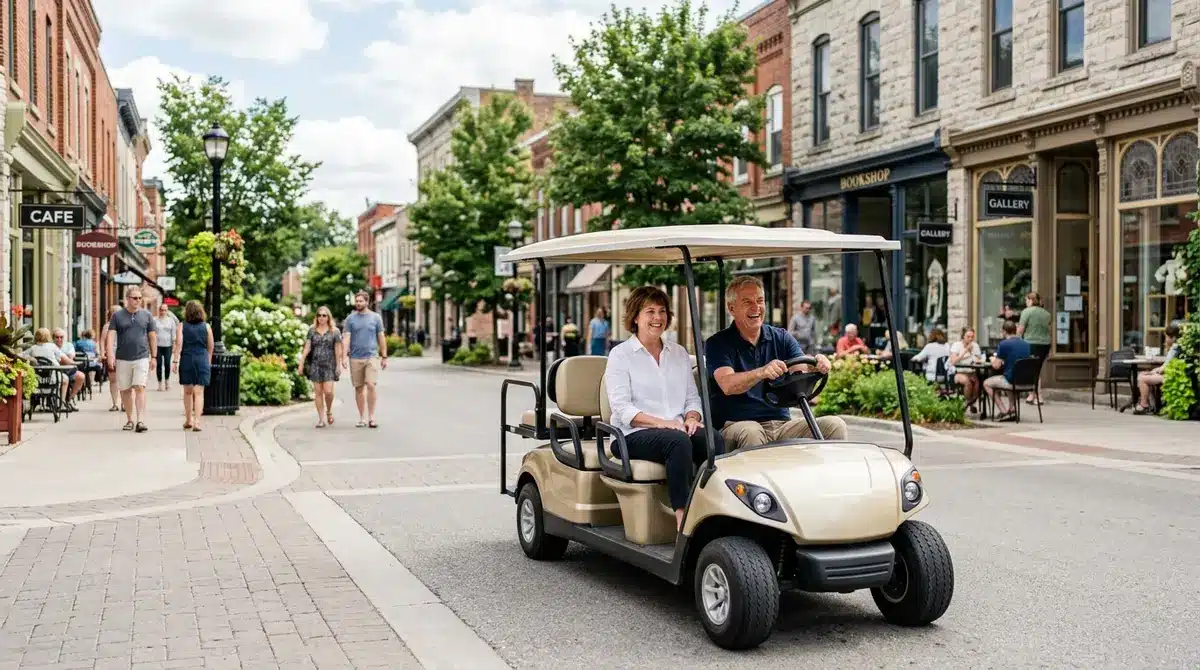
Beyond infrastructure, the social fabric of the town is a massive draw. The community boasts over 82 miles of planned trails, community gardens, and a highly walkable layout. The reliance on alternative transportation is evident everywhere, with residents frequently utilizing golf cart grocery runs to navigate between their neighborhoods and commercial centers.
The heart of this social ecosystem is the downtown district, which hosts weekly farmers markets, live music events, and food truck rallies. This intentional design fosters spontaneous interactions among neighbors, creating a tight-knit village atmosphere that is increasingly rare in sprawling suburban developments.
Potential Drawbacks to Consider
Despite its many accolades, the community is not without its limitations. Prospective buyers must carefully weigh these disadvantages to ensure the location aligns with their long-term needs.
Geographic Isolation and Commute Times
One of the most frequent compromises residents make is location. Situated in Charlotte County, the town is deliberately built inland to protect against storm surge. However, this safety comes at the cost of convenience. The distance to Fort Myers is approximately 30 to 45 minutes depending on traffic, and reaching the popular Gulf Coast beaches can take over an hour.
For professionals who need to commute daily to urban centers or retirees who prioritize immediate beach access, this geographic isolation can become a source of frustration. While the town is expanding its internal commercial offerings, residents still find themselves driving to neighboring cities for specialized medical care, major retail shopping, and airport access.
Ongoing Construction and Development Noise
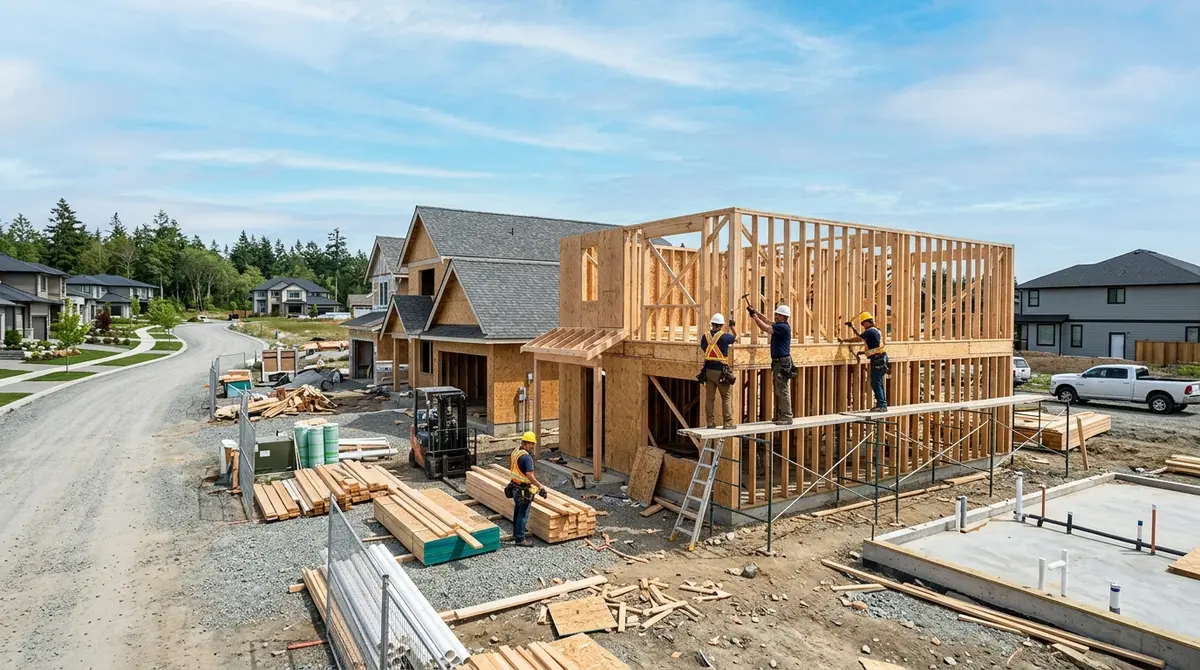
As of 2026, the town is still in a phase of rapid population growth. The master plan calls for 19,500 homes, meaning construction will be a constant reality for the foreseeable future.
Living in a developing community means dealing with the byproducts of progress. Residents frequently encounter heavy machinery on the roads, construction dust settling on lanais, and the ambient noise of framing and roofing starting early in the morning. While developers implement strict working hours to mitigate disturbances, the visual and auditory impact of living in an active construction zone is unavoidable.
Cost of Living and CDD Fees
Affordability is a nuanced topic here. While the homes themselves are competitively priced relative to the broader Southwest Florida market, the hidden costs can catch buyers off guard. Because the town required massive upfront infrastructure investments—such as the solar field, water treatment facilities, and fiber-optic networks—these costs are passed down to homeowners through Community Development District (CDD) fees.
Marcus Thorne, a sustainable real estate analyst, notes: “Buyers often focus solely on the sticker price of the home and the standard HOA dues. They fail to account for CDD fees, which can add thousands of dollars to their annual tax bill for up to 30 years.” When evaluating the financial case for sustainability, it is imperative to calculate the total monthly carrying cost, including property taxes, HOA dues, CDD fees, and homeowners insurance (which is notably cheaper here due to the storm resilience).
Weighing the Trade-offs: A Direct Comparison
To simplify the decision-making process, the following table breaks down the core advantages and limitations of the community.
| Feature | The Advantage (Pros) | The Limitation (Cons) |
|---|---|---|
| Weather Readiness | Underground utilities and elevation prevent flooding and power loss. | Inland location sacrifices coastal breezes and waterfront views. |
| Energy Source | 100% solar-powered during the day; eco-friendly lifestyle. | High upfront infrastructure costs passed to buyers via CDD fees. |
| Community Vibe | Highly social, walkable, with excellent schools and amenities. | Strict HOA regulations regarding property modifications and landscaping. |
| Location | Quiet, surrounded by a 73,000-acre nature preserve. | 30+ minute commute to major employment hubs and beaches. |
How to Evaluate if This Community is Right for You
Making an informed real estate decision requires a systematic approach. Follow these steps to determine if the lifestyle aligns with your goals:
- Calculate the Total Monthly Payment: Do not just look at the mortgage. Ask the builder or resale agent for a comprehensive breakdown that includes property taxes, HOA dues, CDD fees, and estimated utility costs.
- Test the Commute: Drive from the community to your workplace, preferred medical facilities, and favorite beaches during peak traffic hours. Ensure the drive time is sustainable for your daily routine.
- Review the HOA Documents: Master-planned communities have strict covenants, conditions, and restrictions (CC&Rs). Read the rules regarding exterior paint colors, fencing, pet restrictions, and parking to ensure they fit your lifestyle.
- Tour the Construction Zones: Drive through the actively developing neighborhoods. Assess your tolerance for the noise, dust, and heavy machinery that will be present for the next several years.
- Speak with Current Residents: Visit the downtown square or local coffee shop. Ask current homeowners about their actual utility bills, their experience during recent storms, and their overall satisfaction with the community management.
Frequently Asked Questions
Are the HOA and CDD fees excessively high?
While they add to the monthly cost, many residents find them comparable to other luxury master-planned communities in Florida. The CDD fee specifically pays for the advanced infrastructure, such as the solar grid and water management systems, which ultimately lowers individual utility and insurance costs.
Does the town ever lose power?
Power outages are incredibly rare due to the subterranean power lines and the localized microgrid. Even during major hurricanes, the community has historically maintained power while surrounding counties experienced weeks-long blackouts.
Is the community suitable for retirees or mostly for young families?
The demographic is highly diverse. There are specific neighborhoods tailored for active adults (55+), while other sections are filled with young families drawn to the on-site charter schools and extensive park systems.
How bad is the construction noise?
The impact varies depending on which neighborhood you choose. Fully built-out phases experience minimal disruption, while those buying on the edge of new development phases will hear daily construction activity during approved working hours.
Can I install my own solar panels on my house?
Yes, individual homeowners are permitted and often encouraged to install private rooftop solar panels. This can further offset energy costs and provide personal battery backup, though all installations must be approved by the architectural review board.
What happens to the solar power at night?
Currently, the community remains connected to the traditional Florida Power & Light (FPL) grid. At night or during extended overcast periods, the town draws natural gas-generated power from the broader grid, though massive battery storage facilities are continually being expanded to increase nighttime self-sufficiency.
Conclusion
Deciding whether to move to this innovative Florida town comes down to prioritizing your values. If you place a premium on environmental sustainability, unparalleled storm safety, and a vibrant, walkable neighborhood, the advantages will likely far outweigh the drawbacks. However, if you require immediate beach access, detest HOA regulations, or want to avoid the growing pains of a developing town, you may need to look elsewhere. By carefully weighing these factors, you can make a confident, informed decision about your real estate future in 2026.
Ready to explore the available properties and see the community for yourself? Contact our team today to schedule a personalized tour and get expert guidance on finding your perfect home.