
A flex room in a home is a designated, adaptable space built into a floor plan that can be easily customized to serve multiple purposes as a homeowner’s lifestyle changes. Unlike a traditional bedroom or formal dining room, these versatile areas lack fixed, single-use built-ins, allowing them to function seamlessly as a home office, fitness center, playroom, or guest suite. By prioritizing spatial elasticity, these rooms future-proof a property, ensuring the architecture can evolve alongside the daily needs of its occupants.
Key Takeaways
- Definition: An adaptable area designed to change functions without requiring structural renovations.
- Value Addition: Properties with multipurpose areas see a higher return on investment and faster market movement in 2026.
- Top Uses: Hybrid home offices, wellness studios, and multi-generational guest suites dominate current design trends.
- Design Principles: Success relies on neutral finishes, acoustic dampening, and strategic lighting rather than permanent fixtures.
- Community Integration: In sustainable, forward-thinking neighborhoods, these spaces complement eco-friendly and resilient living standards.
The Evolution of the Modern Floor Plan
The architectural landscape of residential real estate has shifted dramatically over the past decade. The rigid, compartmentalized layouts of the late 20th century have given way to dynamic, fluid environments. In 2026, the demand for adaptable architecture is no longer a luxury—it is a baseline expectation for buyers entering the market.
According to a 2026 report by the National Association of Home Builders (NAHB), 82% of newly constructed residential properties now feature at least one designated multipurpose area. This shift is largely driven by the permanent transition toward remote work and the growing desire for at-home wellness amenities. Homeowners no longer want to pay for square footage that sits empty, such as formal living rooms used only during the holidays. Instead, they are prioritizing utility and everyday functionality.
As Dr. Elena Rostova, Professor of Urban Planning at the Massachusetts Institute of Technology (MIT), explains: ‘We are witnessing the end of static architecture. The modern household requires a spatial elasticity that allows a single room to transition from a morning yoga studio to an afternoon executive office, and finally to an evening entertainment lounge, all without structural friction.’
Most Popular Uses for Flexible Spaces
Understanding the meaning of adaptable spaces requires looking at how homeowners are actively utilizing them. The beauty of these areas lies in their chameleon-like ability to serve whatever function is most pressing.
The Dedicated Hybrid Office
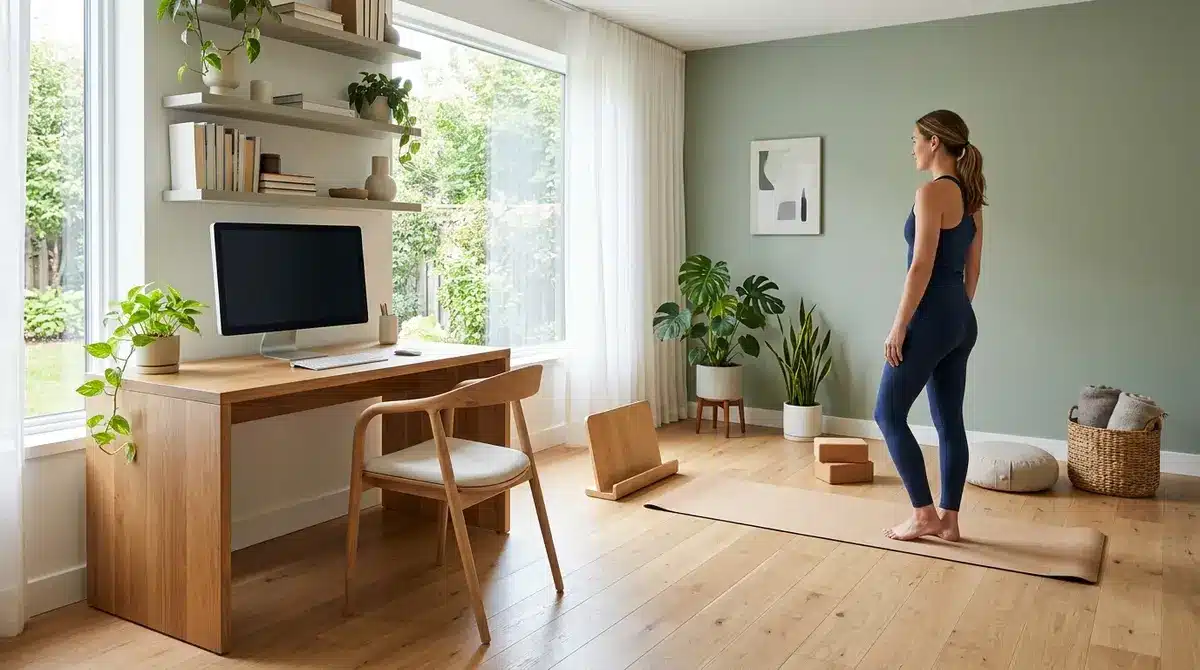
With hybrid work models firmly established, the most common application for these rooms is the home office. Research from Stanford University indicates that 46% of the American workforce maintains a hybrid schedule in 2026. A dedicated workspace with proper acoustic dampening and ergonomic design is essential for productivity. Unlike a desk shoved into the corner of a master bedroom, a distinct office environment fosters better work-life separation.
The Multi-Generational Guest Suite
As family dynamics shift, many homeowners use their extra square footage to accommodate aging parents or returning adult children. By incorporating a Murphy bed or a high-quality sleeper sofa, the room can serve as a comfortable, private sanctuary for guests while remaining open for other uses when unoccupied.
Fitness and Wellness Centers
The at-home fitness revolution has transformed how we view residential wellness. Homeowners are outfitting their adaptable rooms with rubberized flooring mats, smart mirrors, and compact resistance equipment. This application is particularly popular in communities that emphasize active living, seamlessly adapting your home to your lifestyle.
The Financial Impact: Do Adaptable Spaces Increase Property Value?
From a real estate investment perspective, versatility translates directly to marketability. When prospective buyers tour a property, they project their own lives onto the floor plan. A room labeled strictly as a ‘nursery’ might alienate a single professional, but an open, neutral space invites imagination.
Data published by Forbes Real Estate Council reveals that homes marketed with ‘flexible bonus rooms’ sell 14% faster than those with rigid, traditional layouts. Furthermore, these properties often command a 5% to 8% price premium. This is a critical factor when navigating a growing market, where buyers are highly analytical about the long-term utility of their investments.
Marcus Chen, a senior appraiser and real estate analyst, notes: ‘Appraisers are increasingly factoring functional utility into their valuations. A room that meets the legal egress requirements of a bedroom but is wired and zoned for a high-tech office offers a dual-threat value that significantly boosts the overall appraisal.’
Step-by-Step Guide to Designing a Multipurpose Area
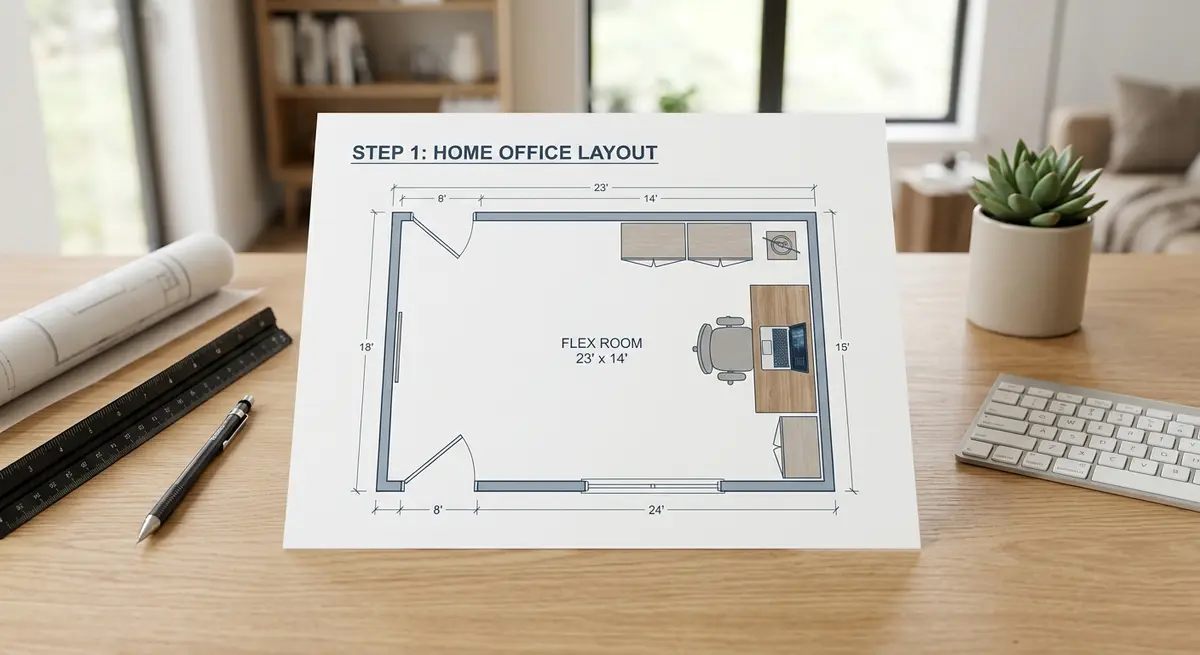
Transforming a blank canvas into a highly functional, multi-use environment requires strategic planning. Here is a step-by-step approach to maximizing your space:
- Assess Egress and Zoning Requirements: Before deciding on a function, ensure the room meets local building codes. If you plan to use it occasionally as a bedroom, it must have a closet and an egress window for fire safety.
- Prioritize Acoustic Dampening: If the room will serve as an office or a media center, invest in soundproofing. Solid-core doors, acoustic drywall, and plush area rugs can mitigate noise transfer to the rest of the house.
- Install Layered Lighting: A single overhead fixture is insufficient for a multi-use area. Incorporate task lighting for desk work, dimmable ambient lighting for relaxation, and maximize natural fenestration (window placement) for daytime energy.
- Choose Modular Furniture: Avoid heavy, permanent built-ins. Opt for nesting tables, modular shelving units, and fold-away desks that can be easily reconfigured.
- Optimize HVAC Zoning: Ensure the room has independent climate control. A space used for intense cardio workouts will require different temperature regulation than a sedentary home office.
Dedicated Rooms vs. Flexible Spaces: A Comparative Analysis
To fully grasp the benefits, it is helpful to compare these dynamic areas against traditional, single-purpose rooms. The table below outlines the key differences:
| Feature | Traditional Dedicated Room | Modern Flexible Space |
|---|---|---|
| Primary Function | Single, fixed use (e.g., formal dining) | Multiple, evolving uses |
| Architectural Elements | Permanent built-ins, specific wiring | Neutral finishes, modular setups |
| Buyer Appeal | Niche (appeals to specific demographics) | Universal (appeals to broad demographics) |
| Renovation Cost to Change | High (requires demolition/construction) | Low (requires only furniture rearrangement) |
| Long-term ROI | Moderate | High |
Adaptability in Sustainable and Resilient Communities
The concept of adaptability extends beyond individual floor plans; it is a core philosophy in modern, master-planned communities. Neighborhoods designed for the future prioritize resilience, sustainability, and flexibility at every level. When you look at how they work in modern neighborhoods, it becomes clear that these spaces are part of a larger ecosystem of smart living.
For instance, in areas that champion the solar city lifestyle, energy efficiency is paramount. A multipurpose room allows homeowners to consolidate their energy footprint. Rather than heating and cooling a sprawling, compartmentalized house, residents can utilize a slightly smaller, highly optimized footprint. The U.S. Department of Energy notes that homes with open, adaptable floor plans can reduce HVAC energy consumption by up to 12% due to better airflow and consolidated usage zones.
Furthermore, in regions prone to extreme weather, the structural integrity of the home is just as important as its layout. Living in a storm-resilient community means that your adaptable room isn’t just a convenience—it can serve as a secure, interior safe room during severe weather events if situated centrally within the home’s load-bearing architecture. This dual-purpose approach to safety and lifestyle is a major factor when evaluating the financial case for sustainability in real estate.
Frequently Asked Questions (FAQ)
Does a flex room count as a bedroom for resale?
It depends on local building codes. Generally, to be legally listed as a bedroom, the space must have a minimum square footage, a built-in closet, and an egress window that allows for emergency exit. If it lacks these, it must be listed as a bonus room or office.
What is the difference between a bonus room and a flex room?
While often used interchangeably, a bonus room typically refers to an awkward or leftover space, such as an area above a garage or in a finished attic. A flex room is intentionally designed into the main floor plan to be highly accessible and adaptable.
How much does it cost to convert a standard room into a multipurpose space?
Because the goal is adaptability, costs are usually tied to furnishings rather than structural changes. Investing in modular furniture, acoustic treatments, and smart lighting typically ranges from $2,000 to $5,000, depending on the quality of the materials.
Can I add plumbing to an adaptable space?
Adding plumbing (such as a wet bar or en-suite bathroom) significantly decreases the room’s flexibility and increases costs. It transitions the space from a versatile area to a dedicated-use room, which may not appeal to all future buyers.
Where is the best location for this type of room in a floor plan?
The ideal location is near the main entrance or just off the primary living area. This allows it to serve as a welcoming home office for clients or a convenient playroom that can be easily monitored from the kitchen.
Do these spaces require special HVAC considerations?
Yes, especially if the room will be used for high-energy activities like a home gym or heat-generating activities like a server-heavy home office. Installing a mini-split system or ensuring the room is on its own HVAC zone is highly recommended.
Conclusion
Understanding the true potential of your property’s layout is the key to maximizing both your daily lifestyle and your long-term financial return. A well-designed, adaptable area is no longer just an architectural trend; it is a fundamental component of the 2026 real estate market. By prioritizing spatial elasticity, investing in modular design, and aligning your home’s functionality with your evolving needs, you ensure your property remains relevant, comfortable, and highly valuable for decades to come.
If you are looking to explore modern floor plans that perfectly balance sustainability, resilience, and adaptable living, our team of local experts is here to help you navigate the market. Contact us today to discover properties that fit your dynamic lifestyle.