
America’s housing market holds $43 trillion in value—enough to buy every NFL team 1,450 times over. Yet 78% of property investors lack basic safeguards against lawsuits, market crashes, or natural disasters. With the market doubling in size since 2013, protecting your holdings isn’t optional—it’s survival.
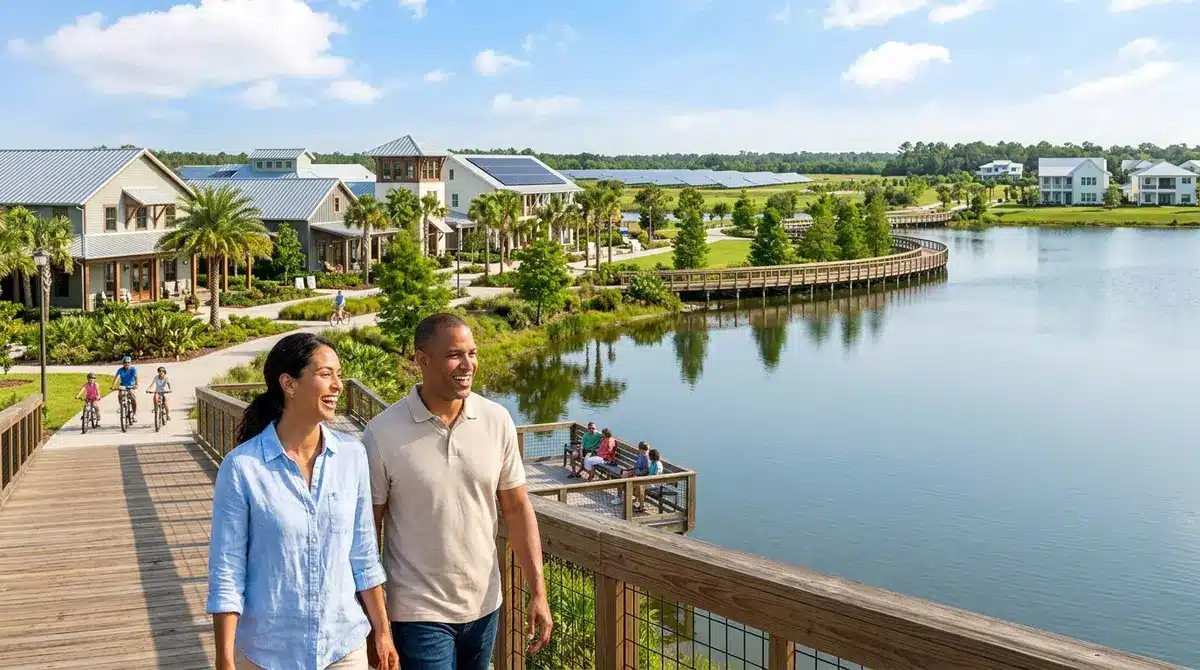
Babcock Ranch, Florida’s solar-powered community, shows why proactive planning matters. Rapid growth in areas like this creates opportunities—and risks. A single liability claim could unravel years of work without proper safeguards.
Unlike stocks or bonds, physical properties face unique threats: tenant disputes, storm damage, zoning changes. Specialized strategies separate personal and business interests while complying with state laws. This isn’t about hiding wealth—it’s about securing it through legal frameworks professionals design.
Key Takeaways
- Property investments face higher risks than traditional assets due to physical and legal exposures
- Strategic planning can shield holdings from lawsuits, creditors, and market volatility
- Florida’s legal landscape requires location-specific solutions for communities like Babcock Ranch
- Professional guidance ensures compliance while maximizing financial security
- Effective methods differ significantly from standard wealth preservation tactics
Introduction to Real Estate Asset Protection
Owning physical properties exposes you to 37% more liability risks than traditional investments. From slip-and-fall incidents to tenant disputes, multiple threats can jeopardize years of hard work. Solar-powered communities like Babcock Ranch face unique challenges as they expand—new residents mean more potential liabilities.

Common Threats to Property Investors
Three primary dangers demand attention:
- Natural disasters damaging structures
- Tenant injuries leading to compensation claims
- Market shifts eroding property values
Florida’s hurricane-prone coastlines and rapid development zones amplify these risks. A single lawsuit could drain savings if holdings aren’t properly shielded.
Why Defense Planning Matters
Proactive measures maintain financial stability when challenges arise. Proper safeguards allow you to:
- Keep personal wealth separate from business operations
- Minimize exposure to creditor claims
- Adapt to changing regulations in growing markets
Strategic planning creates durable shields against unpredictable events. This approach differs from standard wealth management—it addresses physical property vulnerabilities head-on.
What is Real Estate Asset Protection
Modern investors require shields stronger than insurance policies alone provide. Safeguarding property holdings involves legal frameworks that separate personal and business interests. These methods prevent creditors from accessing your portfolio during disputes.

- Legal entities like trusts and LLCs for anonymity
- Strategic insurance bundles covering natural disasters
- Financial structures isolating liquid reserves from claims
Traditional wealth management focuses on growth, not courtroom battles. Physical properties need armor against tenant lawsuits, zoning changes, and storm damage. Solar-powered communities like Babcock Ranch require specialized plans addressing hurricane risks and local regulations.
Layered defense systems work like a financial moat. If one barrier fails, others maintain security. This approach keeps your home equity safe while allowing rental properties to generate income uninterrupted.
Comprehensive Strategies for Asset Protection
Savvy investors build financial fortresses, not just portfolios. Layered systems outperform single solutions by creating overlapping shields. Think of it like a security system with motion sensors, cameras, and reinforced locks—each layer adds depth to your defenses.

Layering Multiple Defense Mechanisms
Start with insurance to handle immediate threats like storm damage. Next, use trusts to separate ownership details from public records. Finally, structure holdings through LLCs to isolate risks across properties. Babcock Ranch investors often combine these methods to address hurricane risks and local zoning rules.
Proper sequencing matters. Establish legal entities before acquiring properties to avoid piercing corporate veils. Update structures annually as portfolios grow. Professionals familiar with Florida’s regulations can tailor systems that adapt to market changes.
Comparing Different Approaches
Evaluate methods using four criteria:
- Legal strength against creditor claims
- Ongoing maintenance costs
- Compatibility with existing holdings
- Local compliance requirements
Insurance works fast but has coverage gaps. Trusts offer privacy but require upfront setup. LLCs compartmentalize risks yet need annual filings. Combining these creates a safety net where weaknesses in one method get covered by others.
Role of Limited Liability Companies in Protection
Legal walls built through LLCs keep financial storms from flooding your entire portfolio. For Babcock Ranch owners facing hurricane risks and rapid development, these structures act as watertight compartments. When one property faces turbulence, others stay dry.
Benefits of LLCs for Separating Assets
Forming a liability company creates distinct legal buckets. Creditors chasing a defaulted mortgage can only access the LLC holding that specific property. Your personal savings and other holdings remain untouched. Consider these advantages:
- Isolate risks across multiple properties
- Maintain privacy through anonymous ownership options
- Combine tax flexibility with legal safeguards
Best Practices in Forming an LLC
Florida’s sunshine laws require precise documentation. Start with separate bank accounts for each entity—mixing funds weakens your position. Follow this checklist:
- File articles of organization with state authorities
- Draft operating agreements outlining management roles
- Renew annual registrations before deadlines
Babcock Ranch investors often create single-property LLCs for high-value rentals. This approach limits exposure when dealing with tenant disputes or storm damage claims. Professionals familiar with local regulations can ensure your structure withstands legal challenges.
Utilizing Trusts for Enhanced Estate Planning
Strategic trust arrangements offer Babcock Ranch property owners bulletproof financial armor. These tools legally separate ownership while maintaining control—like having a safety deposit box only you can access. Solar-powered communities face unique hurricane risks and growth-related legal challenges where trusts shine.
How Asset Protection Trusts Work
A trustee becomes the legal owner of your holdings while you keep management rights. Creditors face layered barriers—they must first challenge the trust itself before reaching your properties. Two primary types suit different needs:
- Domestic trusts follow US laws with predictable tax rules
- Offshore options leverage foreign confidentiality protections
- What is a Land Trust? Understanding the Basics
Florida investors often combine both for maximum security. This setup lets rental income flow while shielding equity from lawsuits.
Tax and Privacy Advantages of Trusts
Properly structured trusts trim tax bills three ways. Rental profits face lower rates, property sales trigger reduced capital gains, and heirs avoid steep inheritance taxes. Offshore versions add privacy through jurisdictions like Nevis or Cook Islands where records stay sealed.
Babcock Ranch owners benefit from discreet ownership during rapid development phases. Competitors can’t easily target holdings hidden behind trust walls. Combined with LLCs, this creates defense layers that adapt as portfolios grow.
Importance of Homestead Exemptions for Property Owners
Florida homeowners sleep easier knowing their primary residence enjoys ironclad legal shields. Homestead exemptions transform your house into a fortress against financial storms. These state-specific safeguards block most creditors from seizing your home, even during bankruptcy proceedings.
Florida stands apart with unlimited equity protection. While Texas also offers strong safeguards, 36 states cap coverage amounts. Consider these differences:
- California limits exemptions to $600,000
- Massachusetts protects up to $500,000
- Florida removes dollar ceilings entirely
To activate these shields in Babcock Ranch, meet three requirements. File homestead paperwork by March 1st. Prove full-time residency through voter registration or utility bills. Use the property as your principal dwelling—no vacation homes qualify.
These exemptions work best alongside other safeguards. They won’t protect rental units or investment properties. A lawsuit against your business holdings can’t touch your shielded residence. Combine this with LLCs and trusts for comprehensive security.
Remember: Homestead benefits require annual renewals. Miss deadlines and your shields weaken. Florida’s laws reward proactive planners who layer multiple defenses. Your primary dwelling becomes untouchable while other strategies guard commercial holdings.
Implementing Insurance Policies in Your Protection Plan
Your rental property’s roof might survive a Category 4 hurricane, but will your finances weather a liability claim? Insurance acts as your financial umbrella during legal storms, particularly in growing communities like Babcock Ranch.
Landlord Insurance and Liability Coverage
Comprehensive policies address three critical areas for solar-powered rental properties. First, liability coverage handles medical bills if tenants or guests get injured. Second, property damage protection repairs structures after severe weather or accidents. Third, loss of income coverage compensates when units become uninhabitable.
Florida landlords should prioritize policies covering:
- Hurricane-related structural repairs
- Tenant relocation costs during repairs
- Legal fees for injury lawsuits
However, standard plans won’t shield against tenant discrimination claims or deliberate negligence. One Babcock Ranch owner faced denied coverage after failing to repair known electrical hazards. Always review policy exclusions and supplement with landlord insurance for high-value holdings.
Effective coverage requires balancing deductibles with risk exposure. Higher deductibles lower premiums but increase out-of-pocket costs during claims. Work with agents familiar with Florida’s unique weather patterns and construction codes to customize your safety net.
Legal Structures to Safeguard Personal and Business Assets
Sophisticated legal frameworks transform vulnerability into resilience for property investors. Babcock Ranch stakeholders often layer multiple entities to create nearly impenetrable shields. These systems go beyond basic LLCs and trusts, adding strategic anonymity to your defense plan.
Strategic Entity Stacking
Shell companies act as frontline defenders for your holdings. By registering under a business name unlinked to your identity, you create immediate separation between personal wealth and operational risks. Florida investors frequently pair these with off-market properties for added security.
Proper implementation involves three steps. First, establish a holding company to manage subsidiary entities. Next, transfer properties into trusts with nondescript names. Finally, use nominee services for official documentation. This structure prevents litigants from connecting you to specific assets during lawsuits.
Maintaining compliance requires careful navigation. Work with real estate attorney professionals to ensure filings meet state requirements while preserving privacy. Regular audits keep your protective layers intact as portfolios expand. These methods don’t hide wealth—they legally compartmentalize it for maximum security.