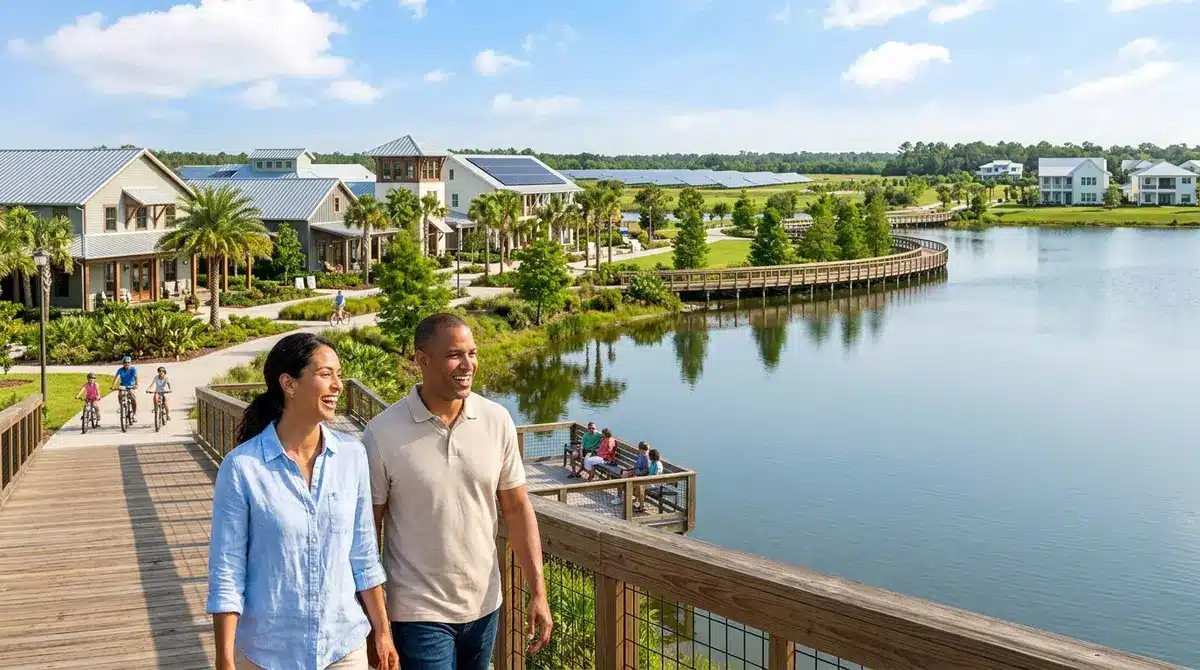

Over 15,000 Florida homes were flipped in 2023, with Babcock Ranch properties outperforming state averages by 22%. This solar-powered community combines rapid growth with investor-friendly infrastructure, creating ideal conditions for real estate ventures.
Specialized financing tools help investors transform undervalued houses into profitable assets. Unlike traditional mortgages, these short-term solutions prioritize renovation timelines over long-term occupancy. Babcock Ranch’s planned expansion and eco-conscious design attract buyers seeking modern, sustainable living spaces.
Local market dynamics reward quick turnarounds. Investors leverage flexible loan structures to acquire properties, fund upgrades, and resell within 12-18 months. Strategic partnerships with lenders familiar with Southwest Florida’s terrain prove crucial for maximizing returns.
Key Takeaways
- Specialized financing accelerates property acquisition and renovation timelines
- Babcock Ranch’s sustainable growth drives above-average returns for investors
- Short-term loan structures differ fundamentally from conventional mortgages
- Approval processes prioritize property potential over personal credit history
- Planned community development reduces typical renovation risks
Introduction to Fix and Flip Loans in Babcock Ranch
Investors are turning to Babcock Ranch’s innovative community to capitalize on profitable renovation projects. This solar-powered neighborhood combines sustainable living with investor-ready infrastructure, creating a unique environment for profitable property transformations.

Defining the Fix and Flip Concept
Property revitalization strategies focus on acquiring undervalued homes, upgrading key features, and reselling quickly. Successful projects balance renovation costs with market demand, targeting modern amenities buyers prioritize. Time-sensitive financing solutions help investors secure properties before competitors while funding necessary upgrades.
Why Babcock Ranch Stands Out
Southwest Florida’s fastest-growing eco-community offers built-in advantages for property revitalization. Planned neighborhoods reduce renovation risks through standardized designs and pre-approved upgrade options. Access to major employers and nature preserves ensures consistent buyer interest, while smart energy systems boost resale appeal.
Local specialists like Babcock Ranch Homes provide neighborhood-specific insights, from material selection to pricing trends. Their expertise helps investors navigate regulations and maximize returns in this high-demand market.
Understanding House Flipping and Investment Properties
Mastering property revitalization requires strategic planning and market insight. This process involves three core components: acquisition, improvement, and resale. Market-savvy individuals focus on maximizing value through targeted upgrades while minimizing holding periods.

Basics of Property Revitalization
Successful ventures begin with identifying homes below market value. Analyze neighborhood comparables to spot undervalued opportunities. Calculate material costs and labor expenses before making offers. Always factor in 10-15% contingency funds for unexpected repairs.
Timing impacts profitability significantly. Coordinate renovation schedules with seasonal demand spikes. In Babcock Ranch, solar-ready homes command premium pricing, making energy-efficient upgrades particularly valuable.
Strategic Acquisition Opportunities
Growing communities offer predictable appreciation patterns. Focus on properties needing cosmetic updates rather than structural overhauls. Distressed sales often provide the best margins when renovation costs remain manageable.
Consider these factors when evaluating prospects:
- Proximity to community amenities and green spaces
- Local buyer preferences for modern fixtures
- Average days on market for comparable listings
Develop relationships with contractors familiar with Babcock Ranch’s building codes to streamline projects. Proper planning transforms renovation challenges into profitable outcomes.
What is a Fix and Flip Loan
Renovation-focused financing tools empower property revitalization projects in thriving markets. These solutions provide capital for acquiring undervalued homes and funding improvements before resale. Unlike standard mortgages, they align with quick-turn strategies essential in competitive environments.

Loan Structure and Short-Term Nature
Property-backed financing uses the renovated home as collateral rather than personal credit metrics. Capital access typically spans 12-18 months, matching renovation timelines. This structure eliminates long-term debt obligations while enabling rapid project execution.
Flexible terms accommodate diverse upgrade scopes. Minor cosmetic refreshes and major system overhauls both qualify. Lenders assess property potential over traditional income verification, accelerating approval processes.
Benefits for Real Estate Investors
Streamlined documentation requirements let you secure funds faster than conventional options. Immediate capital access proves critical when bidding on time-sensitive listings. Early repayment options exist without penalties, freeing profits for reinvestment.
Three key advantages stand out:
- Faster closing timelines than traditional mortgages
- Customizable repayment schedules aligned with project milestones
- Collateral-based approvals for credit-challenged borrowers
Strategic use of these instruments helps maximize returns in high-growth areas. Partnering with lenders familiar with local regulations ensures smoother transactions and better terms.
Hard Money Lending vs Traditional Home Loans
Navigating real estate financing options requires understanding key structural differences between loan types. Property investors face distinct choices when securing funds for time-sensitive projects versus long-term residential purchases.
Differences in Loan Duration and Interest Rates
Hard money loans operate on accelerated timelines matching renovation cycles. These short-term solutions typically span 6-18 months with rates reflecting their temporary nature. Traditional mortgages stretch across decades, designed for homeowners rather than investors.
Interest structures vary significantly. Short-duration property-backed financing carries higher rates due to rapid repayment expectations. Long-term residential options prioritize stable payments over extended periods.
Flexibility and Loan Security Considerations
Approval processes diverge sharply between financing models. Traditional options require extensive credit checks and income verification. Hard money lenders prioritize collateral value and renovation plans over personal financial history.
Key contrasts include:
- Closing timelines: Days vs weeks
- Collateral focus: Property potential vs credit scores
- Documentation: Simplified vs comprehensive
Experienced investors benefit from hard money’s adaptability in competitive markets. Quick access to capital enables strategic acquisitions before properties hit broader listings. This approach aligns perfectly with Babcock Ranch’s fast-moving real estate environment.
Essential Loan Terms and Financing Options
Understanding key financial metrics helps you secure optimal funding for property projects. These calculations determine how much capital lenders will provide and shape your renovation strategy.
Understanding Loan-to-Value Ratio (LTV)
Lenders evaluate risk through this critical metric. It compares your requested amount against the property’s current worth. Higher ratios mean greater lender exposure, affecting approval chances and terms.
Insights on Loan-to-Cost and After-Repair Value
The loan-to-cost ratio examines total project expenses versus borrowed funds. This includes purchase price, renovation budgets, and holding costs. After-repair value projections estimate the upgraded property’s market potential, guiding maximum loan limits.
Three core principles govern these calculations:
- Current valuation sets baseline borrowing limits
- Renovation scope impacts final approval amounts
- Market comparables influence future value assessments
Exploring Various Financing Methods
Multiple capital sources exist for property revitalization projects. Hard money lenders offer speed but higher rates. Traditional banks provide lower costs with stricter requirements. Crowdfunding platforms enable pooled investments from multiple backers.
Consider these factors when choosing:
- Project timeline urgency
- Available collateral
- Renovation complexity
Qualifying and Preparing Your Investment Project
Securing funding for property revitalization starts with meeting lender criteria and demonstrating project viability. Preparation separates successful ventures from stalled attempts, requiring attention to financial credibility and operational planning.
Credit Score and Business Plan Requirements
Lenders evaluate credit history to assess risk management capabilities. Strong financial track records increase approval odds, showing responsibility with repayment obligations. Your business plan must outline clear strategies for market positioning and profit generation.
Include these elements in your proposal:
- Neighborhood demand analysis for upgraded properties
- Detailed breakdown of improvement phases
- Comparable sales data supporting resale projections
Estimating Renovation Costs and Project Timeline
Accurate budgeting prevents financial overextension during upgrades. Obtain multiple contractor bids and verify material pricing fluctuations. Factor in permit approval durations and seasonal labor availability when scheduling.
Build contingency buffers for unexpected issues like weather delays or supply chain disruptions. Documenting prior successful projects strengthens applications by proving execution capabilities. Lenders favor applicants who showcase thorough preparation through realistic timelines and cost controls.
Detailed Renovation Planning and Cost Management
Successful property transformations hinge on organized execution. Smart planning turns vision into actionable steps while controlling expenses. Let’s explore proven methods for streamlining upgrades and maintaining financial discipline.
Budget Breakdown and Cost Analysis
Categorize expenses into logical phases for better oversight. Structural repairs, system upgrades, and cosmetic changes each require separate allocations. Obtain three contractor bids to identify fair pricing for labor and materials.
Build contingency reserves into every budget tier. Unforeseen issues like wiring replacements or permit delays can derail timelines. Document every estimate to justify adjustments if lenders request clarification.
Scheduling Renovations and Managing Draws
Coordinate tradespeople to avoid workflow bottlenecks. Sequence plumbing and electrical work before cosmetic teams arrive. Lenders release funds through scheduled draws tied to completed milestones.
Prepare for construction holdbacks by maintaining cash reserves. Submit inspection reports promptly to trigger payments. Regular site visits ensure quality standards while keeping contractors accountable.
Adjust timelines proactively when supply shortages occur. Transparent communication with lenders preserves trust during delays. Effective management balances speed with precision for optimal results.
Partnering with a Local Lender in Babcock Ranch
Choosing neighborhood-savvy lenders provides critical insights for profitable property transformations. Community-focused financial partners understand Babcock Ranch’s unique blend of sustainable design and rapid growth. Their expertise bridges financing strategies with market realities.
The Advantage of Babcock Ranch Homes
Lenders familiar with this solar-powered community streamline approval processes. They recognize value in energy-efficient upgrades and modern layouts buyers demand. This knowledge helps structure loans matching renovation scopes while protecting your investment.
Leveraging Local Market Knowledge
Regional specialists track pricing trends across Southwest Florida’s fastest-growing neighborhoods. They identify properties with hidden potential and advise on competitive bidding strategies. Their networks connect you to contractors familiar with community building standards.
Successful flips require more than capital—they demand hyperlocal insights. Partnering with lenders embedded in Babcock Ranch’s ecosystem positions your projects for maximum returns. Align with professionals who speak the language of both finance and sustainable development.