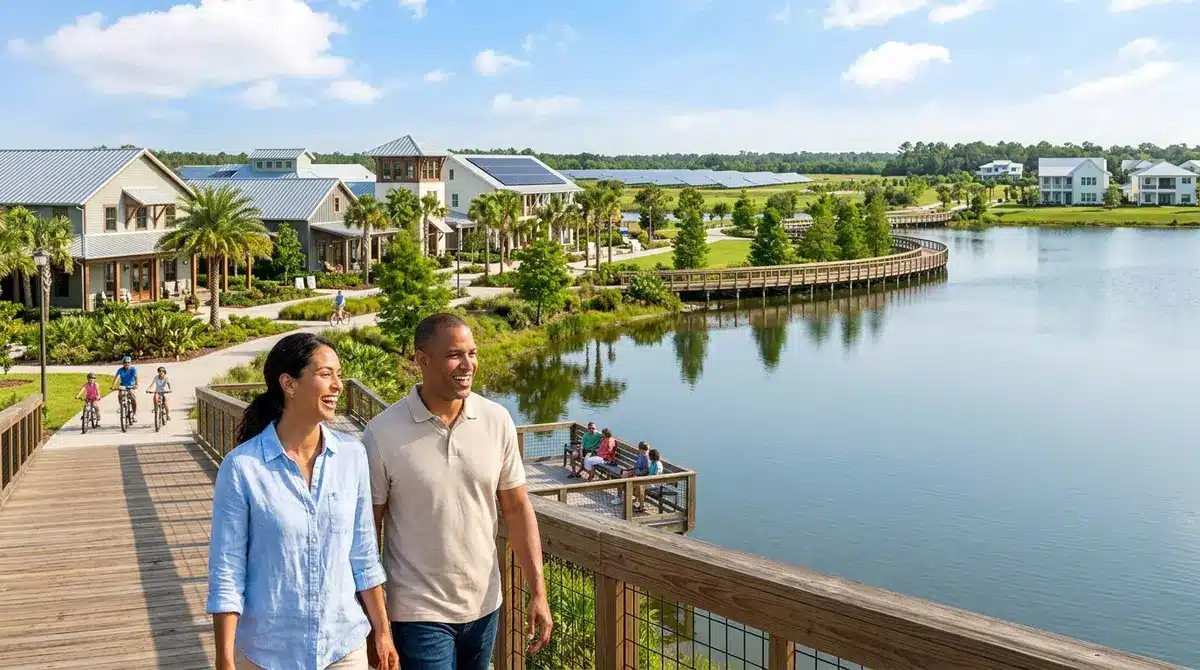

Living in America’s first solar-powered town presents unique opportunities and challenges that potential residents must carefully consider. Babcock Ranch represents a groundbreaking approach to sustainable community development, but like any innovative project, it comes with environmental considerations that could impact long-term residents. Understanding these potential environmental issues is crucial for making an informed decision about calling this community home.
The master-planned community sits on approximately 18,000 acres in Southwest Florida, with roughly half designated for conservation. This ambitious development model prioritizes environmental stewardship while accommodating residential, commercial, and recreational needs. However, the long-term environmental implications of this balance between development and conservation require careful examination.
Florida’s unique ecosystem presents both opportunities and challenges for sustainable living. The state’s subtropical climate, diverse wildlife, and complex water systems create a delicate environmental balance that any large-scale development must navigate. Babcock Ranch’s commitment to environmental responsibility addresses many traditional development concerns, but new questions emerge about the long-term sustainability of even the most well-intentioned projects.
Climate change adds another layer of complexity to long-term environmental planning. Rising sea levels, changing precipitation patterns, and increased storm intensity all factor into the environmental future of any Florida community. While Babcock Ranch’s inland location provides some protection from coastal threats, other climate-related challenges may emerge over time.
The community’s innovative approach to energy production, water management, and land use offers promising solutions to many environmental concerns. However, potential residents should understand both the benefits and limitations of these systems as they consider their long-term housing decisions. Environmental stewardship requires ongoing commitment from both developers and residents, making community engagement essential for maintaining ecological balance.
Key Takeaways
For additional context, see this comprehensive guide.
- Water management systems in Babcock Ranch utilize advanced stormwater treatment and conservation methods, but long-term effectiveness depends on proper maintenance and changing precipitation patterns due to climate change.
- Wildlife conservation efforts protect approximately 9,000 acres of natural habitat, though ongoing development phases may create additional pressure on local ecosystems and wildlife corridors.
- Solar energy infrastructure provides renewable power generation, but panel degradation, battery storage limitations, and technology upgrades present long-term maintenance and replacement considerations.
- Air quality benefits from reduced vehicle emissions through autonomous shuttle systems and walkable design, though regional air quality remains influenced by surrounding development and agricultural activities.
- Soil and groundwater protection measures include careful site planning and contamination prevention, but long-term monitoring is essential to ensure continued environmental health.
- Climate resilience planning addresses Florida’s changing weather patterns, though extreme weather events and rising temperatures may test the community’s adaptive capacity over decades.
- Waste management innovations promote recycling and waste reduction, but growing population density may strain these systems without continuous improvement and resident participation.
Environmental Overview of Babcock Ranch

For additional context, see detailed information on this topic.
Babcock Ranch’s environmental foundation rests on comprehensive planning that integrates natural systems with modern development needs. The community’s master plan dedicates significant acreage to conservation while implementing cutting-edge environmental technologies throughout residential and commercial areas. This approach creates a living laboratory for sustainable development practices that other communities may eventually adopt.
The preserved natural areas include diverse ecosystems typical of Southwest Florida, from pine flatwoods to wetlands and prairies. These conservation lands provide habitat for native species while offering natural flood control and water filtration services. The interconnected green spaces create wildlife corridors that allow animals to move freely between habitats, supporting biodiversity within the developed landscape.
Water management represents one of the most critical environmental considerations for any Florida development. Babcock Ranch employs sophisticated stormwater management systems that capture, treat, and reuse water throughout the community. These systems help prevent flooding while reducing the demand on regional water supplies. However, the long-term performance of these systems depends on proper maintenance and adaptation to changing rainfall patterns.
The community’s commitment to renewable energy extends beyond individual home installations to include large-scale solar facilities that power the entire development. This energy independence reduces reliance on fossil fuels and demonstrates the viability of renewable energy for residential communities. The environmental benefits include reduced greenhouse gas emissions and decreased air pollution compared to traditional energy sources.
Water Resource Management and Long-Term Sustainability

For additional context, see our in-depth resource.
Water represents the foundation of environmental sustainability in any Florida community, and Babcock Ranch’s approach to water management sets new standards for responsible development. The community implements integrated water management systems that address both quantity and quality concerns while planning for long-term population growth and climate variability.
The stormwater management infrastructure includes retention ponds, bioswales, and permeable surfaces that allow natural water infiltration while preventing contamination. These systems capture rainwater during intense storms, gradually releasing it to prevent downstream flooding while allowing natural filtration through soil and vegetation. The design mimics natural hydrological processes, maintaining the ecological functions that existed before development.
Groundwater protection measures include careful site planning that avoids sensitive recharge areas and implements best practices for preventing contamination from residential and commercial activities. The community’s waste management systems, landscape maintenance practices, and construction standards all contribute to groundwater quality protection. However, long-term monitoring remains essential to ensure these protective measures continue working effectively.
Water conservation technologies throughout the community include efficient irrigation systems, drought-resistant landscaping, and water-efficient fixtures in homes and businesses. These measures reduce overall water demand while maintaining the aesthetic and functional qualities residents expect. The effectiveness of these conservation efforts depends on continued resident participation and adaptation to changing water availability.
Climate change projections for Florida include both increased drought periods and more intense rainfall events, creating complex challenges for water management systems. Babcock Ranch’s infrastructure must adapt to these changing conditions while maintaining reliable water supplies and flood protection. Long-term planning includes provisions for system upgrades and expansion as needed to address evolving environmental conditions.
Wildlife Conservation and Ecosystem Preservation

The success of Babcock Ranch’s environmental mission depends heavily on its ability to maintain healthy ecosystems that support native wildlife populations. The community’s conservation areas provide critical habitat for numerous species while creating opportunities for residents to experience Florida’s natural heritage. However, the long-term viability of these ecosystems requires ongoing management and protection from various environmental pressures.
Native wildlife species in the area include various birds, mammals, reptiles, and amphibians that depend on specific habitat conditions for survival. The preserved lands within Babcock Ranch maintain these habitat requirements through careful management of water levels, vegetation, and human access. Wildlife corridors connect different habitat areas, allowing animals to move freely and maintain genetic diversity within populations.
Invasive species management represents an ongoing challenge for ecosystem preservation. Non-native plants and animals can quickly overwhelm native species if not properly controlled. Babcock Ranch implements comprehensive invasive species monitoring and removal programs, but the effectiveness of these efforts requires sustained commitment and resources over decades. Residents play an important role by avoiding the introduction of non-native species through landscaping and pet ownership choices.
Edge effects occur where natural areas meet developed spaces, potentially altering ecosystem conditions and affecting wildlife behavior. The community’s design includes buffer zones and transitional areas that minimize these impacts, but ongoing monitoring helps identify and address any emerging issues. Light pollution, noise, and human activity all influence wildlife behavior and may require management adjustments over time.
Climate change affects local ecosystems through shifting temperature and precipitation patterns that may favor different species compositions over time. Some native species may struggle to adapt to changing conditions while others may thrive. Adaptive management strategies help maintain ecosystem health by allowing for natural changes while protecting overall biodiversity and ecological function.
For families considering the community, our educational opportunities include environmental education programs that help residents understand and appreciate the local ecosystem.
Energy Infrastructure and Environmental Impact
Babcock Ranch’s renewable energy infrastructure represents one of its most significant environmental advantages, but long-term considerations include technology evolution, maintenance requirements, and system resilience. The community’s solar energy systems provide clean electricity while reducing greenhouse gas emissions, but understanding the full lifecycle environmental impact helps residents make informed decisions about long-term living.
Solar panel installations throughout the community include both residential rooftop systems and large-scale solar farms that generate electricity for the entire development. These systems significantly reduce reliance on fossil fuel-powered electricity generation, contributing to improved air quality and reduced carbon emissions. However, solar panels have finite lifespans and eventually require replacement, creating considerations for waste management and recycling.
Battery storage systems support the solar infrastructure by storing excess energy for use during cloudy periods and nighttime hours. These systems enhance energy independence and grid stability but also require periodic replacement as battery technology evolves. The environmental impact of battery production and disposal represents an important long-term consideration for the community’s sustainability goals.
Energy efficiency measures in homes and buildings reduce overall electricity demand, maximizing the effectiveness of renewable energy systems. High-performance insulation, efficient HVAC systems, and smart home technologies all contribute to reduced energy consumption. Maintaining these efficiency standards requires ongoing attention to building maintenance and technology upgrades as systems age.
Grid integration allows Babcock Ranch to share excess renewable energy with the broader electrical grid while drawing power when needed. This connection provides energy security while supporting renewable energy adoption in surrounding communities. However, the long-term reliability of this arrangement depends on regional energy policy and infrastructure development.
The community’s transportation infrastructure includes autonomous shuttle systems and electric vehicle charging stations that support reduced emissions from personal transportation. These systems complement the renewable energy infrastructure while reducing air pollution and noise within the community. Long-term effectiveness depends on continued technology advancement and resident adoption of sustainable transportation options.
Air Quality and Atmospheric Environmental Factors
Air quality in Babcock Ranch benefits from the community’s commitment to renewable energy and sustainable transportation, but long-term atmospheric environmental factors extend beyond local control. Understanding both the community’s positive contributions to air quality and the broader regional influences helps residents anticipate long-term environmental conditions.
Local air quality improvements result from reduced fossil fuel combustion within the community through solar energy adoption and electric transportation systems. These measures decrease emissions of particulates, nitrogen oxides, and other pollutants that affect respiratory health and environmental quality. The walkable community design also reduces vehicle miles traveled, further contributing to cleaner local air.
Regional air quality influences include emissions from surrounding agricultural operations, transportation corridors, and other developments. While Babcock Ranch controls its own emissions, air quality also depends on activities in neighboring areas. Agricultural burning, industrial operations, and traffic from major highways can all affect air quality regardless of local sustainability efforts.
Pollen and allergen considerations reflect the community’s natural vegetation and landscaping choices. Native plant species generally produce less allergenic pollen than some non-native alternatives, but sensitive individuals may still experience seasonal allergy symptoms. The preserved natural areas maintain native plant communities that support local ecosystem health while minimizing artificial allergen sources.
Climate change effects on air quality include potential increases in ground-level ozone formation during hot weather and changes in pollen production patterns. These regional atmospheric changes may affect all Southwest Florida communities regardless of local sustainability measures. Understanding these broader trends helps residents prepare for potential long-term air quality changes.
Indoor air quality depends on building design, ventilation systems, and resident choices regarding cleaning products, furnishings, and other household items. Sustainable homes Babcock Ranch 2025 include advanced ventilation systems that maintain indoor air quality while minimizing energy consumption. Proper maintenance of these systems ensures continued effectiveness over time.
Those interested in learning more about the community’s overall development approach can explore our detailed comparison with other Florida markets to understand how environmental factors influence long-term value.
Climate Resilience and Adaptation Strategies
Climate resilience planning addresses the long-term environmental challenges that may affect Babcock Ranch as global and regional climate patterns continue evolving. The community’s design incorporates current climate projections while maintaining flexibility to adapt to changing conditions over the coming decades.
Temperature management strategies include building design features that minimize heat gain, efficient cooling systems, and landscape elements that provide natural cooling through shade and evapotranspiration. These measures help maintain comfortable living conditions while reducing energy demand for air conditioning. However, projected temperature increases may require additional adaptation measures over time.
Precipitation pattern changes could affect both flooding and drought risks in Southwest Florida. Babcock Ranch’s stormwater management systems design accounts for intense rainfall events, but changing patterns may require system modifications or expansions. Similarly, drought resilience depends on water conservation measures and alternative water sources that may need enhancement as conditions change.
Extreme weather event planning includes hurricane preparedness measures such as wind-resistant building standards, underground utilities where feasible, and emergency response protocols. The community’s design minimizes vulnerability to storm damage while providing residents with resources for emergency preparedness. However, increasing storm intensity may test these protective measures over time.
Ecosystem adaptation support includes management strategies that help native species and habitats adjust to changing environmental conditions. This may involve assisted migration of plant species, habitat modifications, or changes in conservation management practices. Maintaining ecosystem health requires ongoing monitoring and adaptive management as conditions evolve.
Infrastructure resilience planning addresses the long-term durability of roads, utilities, and buildings under changing environmental conditions. This includes considerations for materials selection, maintenance schedules, and upgrade planning that account for evolving climate stresses. Proactive infrastructure management helps ensure continued community functionality despite environmental changes.
For potential residents considering long-term investment implications, our investment guide explores how environmental factors contribute to property value stability over time.
All Babcock Ranch: Your Environmental Sustainability Partner
All Babcock Ranch understands that environmental considerations play a crucial role in long-term housing decisions. Our team provides comprehensive information about the community’s environmental features, ongoing sustainability initiatives, and long-term planning strategies that address potential environmental challenges.
We help prospective residents understand the environmental benefits and considerations associated with living in America’s first solar-powered town. This includes detailed information about water management systems, conservation areas, renewable energy infrastructure, and Babcock Ranch hurricane proof planning that affects daily life and long-term property value.
Our expertise extends to helping clients evaluate how environmental factors align with their personal values and lifestyle goals. Whether you’re interested in sustainable living in Babcock Ranch, outdoor recreation opportunities, or long-term environmental stability, we provide the information needed to make informed decisions about your housing future.
We also connect residents with ongoing environmental education opportunities and community involvement programs that support the community’s sustainability mission. Understanding how individual actions contribute to overall environmental health helps residents become active participants in maintaining Babcock Ranch’s environmental advantages.
Frequently Asked Questions
How do climate change projections affect long-term living in Babcock Ranch? Climate projections for Southwest Florida include increased temperatures, changing precipitation patterns, and potentially more intense storms. Babcock Ranch’s design incorporates these considerations through climate-resilient infrastructure, adaptive water management systems, and building standards that address projected changes.
What happens to solar panels when they reach the end of their useful life? Solar panels typically last 25-30 years before requiring replacement. The community plans for panel recycling and responsible disposal through established programs that recover valuable materials while minimizing environmental impact. Technology advances may also allow for more efficient replacement systems.
How do the community protect water quality in conservation areas? Water quality protection includes comprehensive stormwater treatment, restrictions on harmful chemicals in landscaping, and monitoring programs that track water conditions over time. Buffer zones around sensitive areas provide additional protection from development impacts.
What measures address potential wildlife conflicts with residents? Wildlife management includes education programs for residents, design features that minimize human-wildlife conflicts, and protocols for addressing any issues that arise. The community’s design maintains wildlife corridors while creating appropriate separation between natural areas and residential spaces.
How does air quality in Babcock Ranch compare to other Florida communities? Air quality benefits from reduced local emissions through renewable energy and sustainable transportation systems. While regional factors still influence air quality, the community’s sustainability measures contribute to cleaner local air compared to conventional developments.
What long-term maintenance is required for environmental systems? Environmental systems require ongoing maintenance including stormwater facility cleaning, invasive species management, solar system upkeep, and conservation area management. Community fees and regulations support these maintenance activities through professional management programs.
How do environmental factors affect property values over time? Environmental sustainability features typically support property value stability through reduced operating costs, attractive community amenities, and growing market demand for sustainable living options. However, long-term value trends depend on multiple factors including broader market conditions and continued environmental stewardship.
What environmental monitoring programs track long-term conditions? Ongoing monitoring includes water quality testing, wildlife population surveys, air quality measurements, and ecosystem health assessments. These programs provide data for adaptive management decisions and help identify any emerging environmental issues requiring attention.
Conclusion
Environmental considerations for long-term living in Babcock Ranch encompass both significant advantages and important ongoing responsibilities. The community’s innovative approach to sustainability addresses many traditional environmental concerns while creating new opportunities for environmentally conscious living. However, success depends on continued commitment from both community management and residents to maintain environmental standards over time.
The comprehensive environmental planning that underlies Babcock Ranch provides a strong foundation for sustainable living, but changing climate conditions and evolving technology will require ongoing adaptation. Prospective residents should understand both the environmental benefits and the long-term considerations that come with living in this pioneering sustainable community.
For those considering making Babcock Ranch their home, understanding the environmental factors helps inform important decisions about long-term housing investments. The community’s environmental advantages offer compelling benefits, while awareness of potential challenges enables informed planning for the future. Working with experienced professionals who understand these environmental considerations ensures that your Babcock Ranch home buying guide decisions align with both your immediate needs and long-term goals.